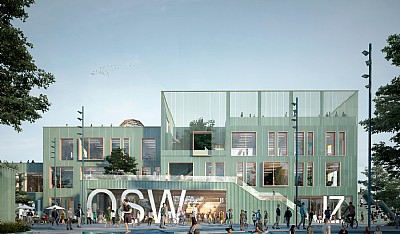
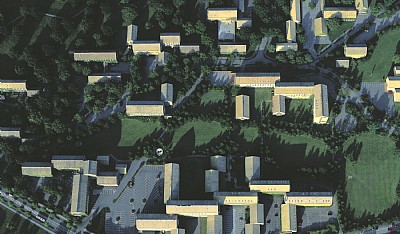
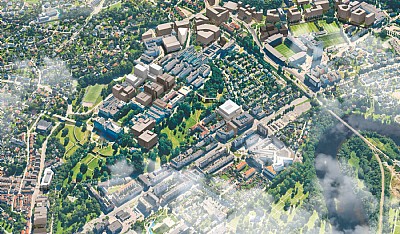
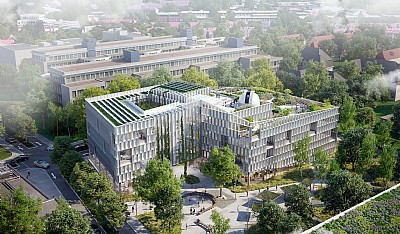
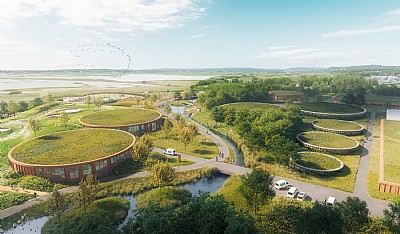
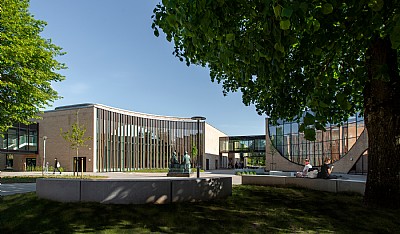
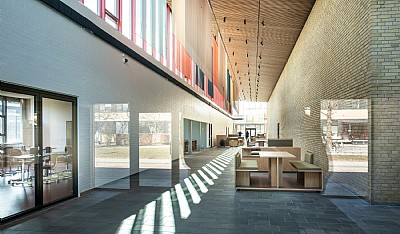
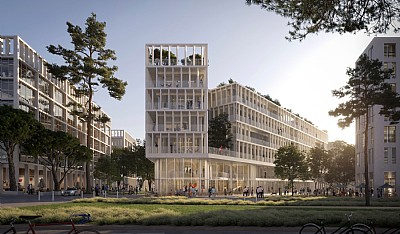
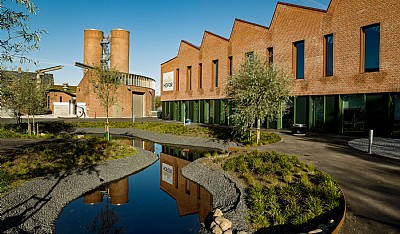
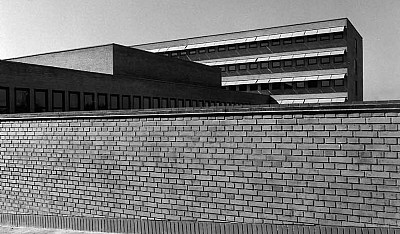
As part of the new Gotland Regiment P18, the restaurant has been developed in close dialogue with the regiment’s overall masterplan and architectural principles. Following the architectural competition launched by the Swedish Fortifications Agency in 2016, which C.F. Møller Architects won, the area has been shaped around the concept of “Camouflage”, with the siting, materiality and volumes of the buildings responding to Gotland’s limestone plain, calcareous bedrock and sparse pine vegetation.
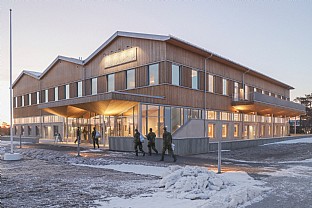
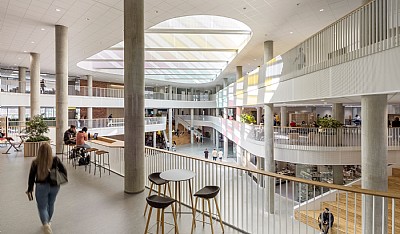
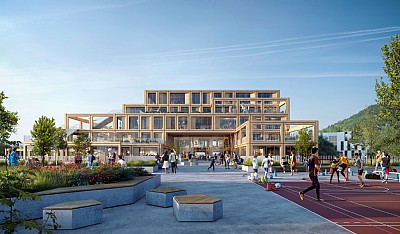
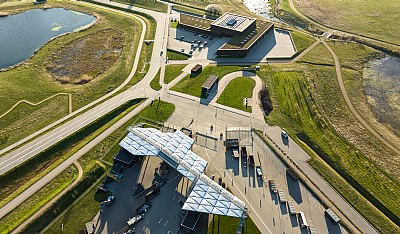
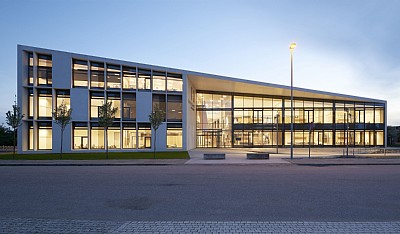
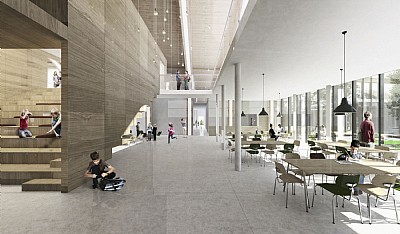
Restaurant Hwitstjärna is located adjacent to the regiment’s central park, at the transition between the motor pool area to the south and the barracks area to the north. Here, the dining hall, multifunctional facilities, and sports facilities form a coherent sequence that reflects the regiment's daily flows. The building is designed to accommodate at least 700 guests across three seatings and includes, in addition to the dining hall, a canteen and mess, and reception areas for representation.
Rooted in nature
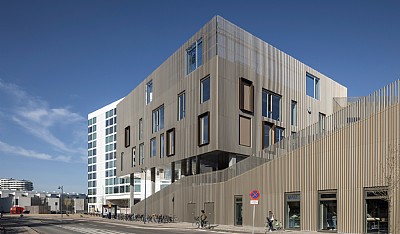
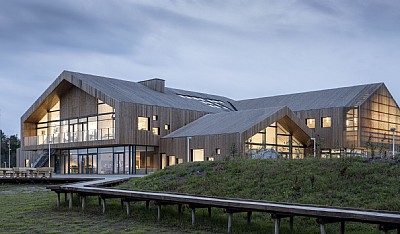
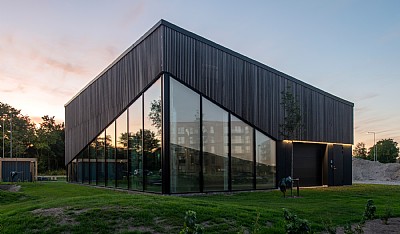
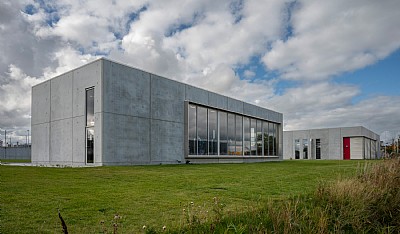
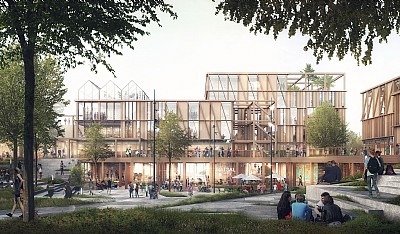
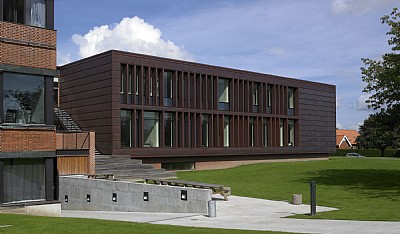
The architecture refines the regiment’s material concept. A light-pigmented concrete plinth is anchored in the Gotland limestone bedrock, lending the building weight and permanence. Above, façades of heat- and linseed oil-treated timber provide a tactile, ageing quality that introduces a warm, human scale, in contrast to the more technically oriented buildings within the compound. The material palette is robust and adapted for long service life, low maintenance and a climate characterised by strong sun, wind and saline exposure.
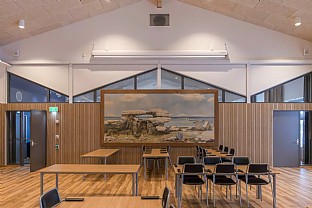
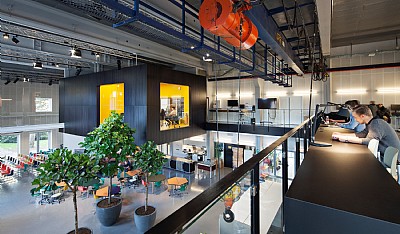
In the main dining space, the artwork The Blue Hour – a site-specific, deep-blue textile by Katja Beckman Ojala – captures Gotland’s austere landscape and sea stacks. Through its textured fabric and shimmering horizon, the interior is visually connected to the island’s dramatic nature and dark winter evenings.
The surrounding landscape has been preserved and supplemented with local vegetation to reinforce the site’s ecological continuity and reduce the need for extensive groundworks. The building’s orientation and fenestration ensure generous daylight in the dining hall, contributing to a pleasant indoor environment for conscripts and staff.
Restaurant Hwitstjärna is thus not merely a functional supply building but an architectural node where everyday life, representation, art and landscape are integrated into a coherent whole.