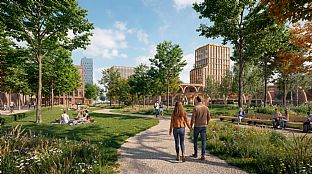
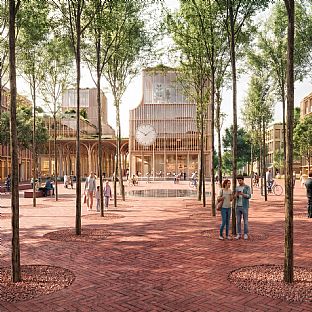
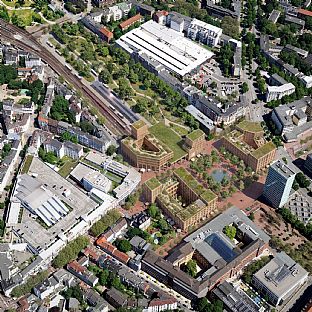
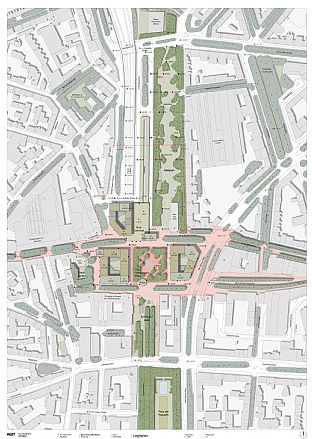
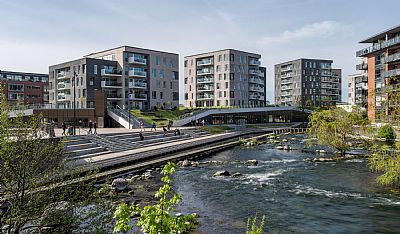
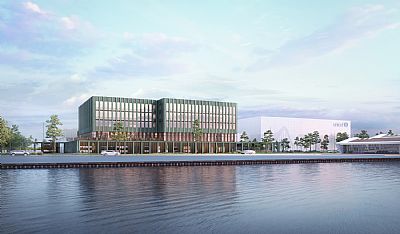
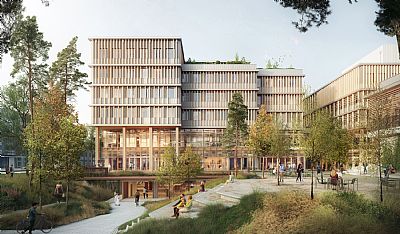
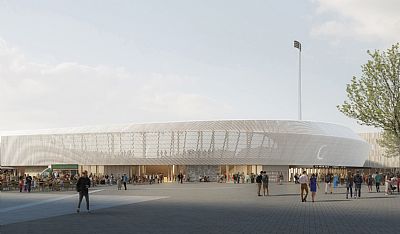
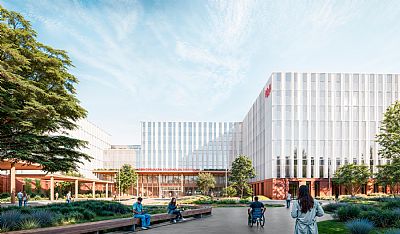
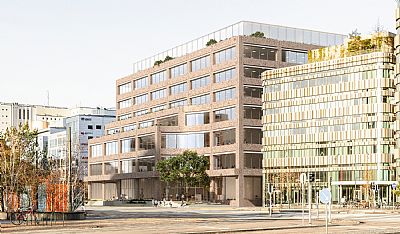
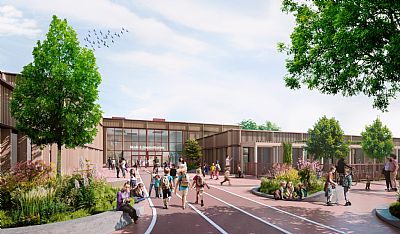
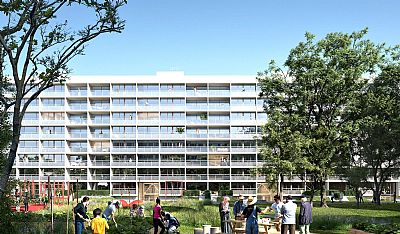
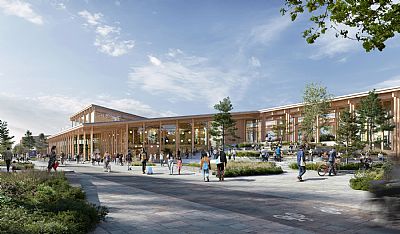
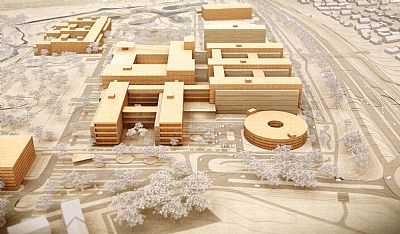
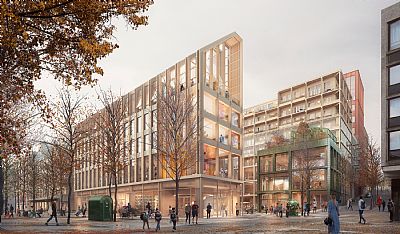
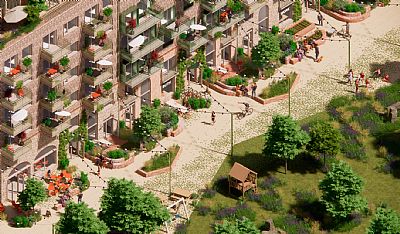
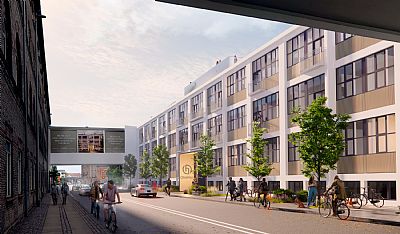
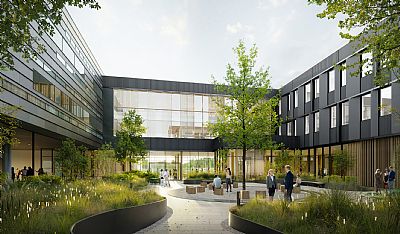
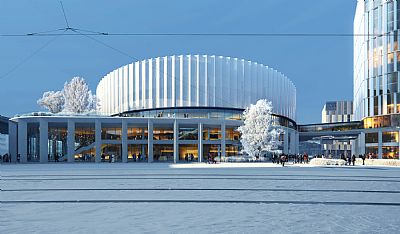
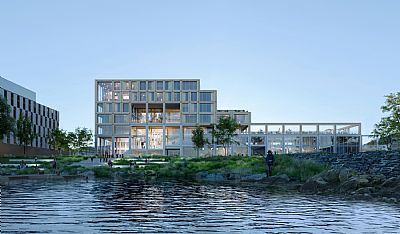
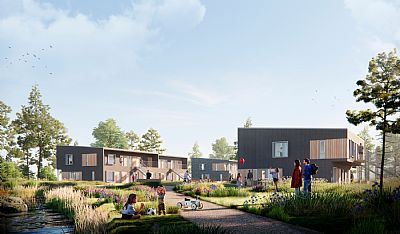
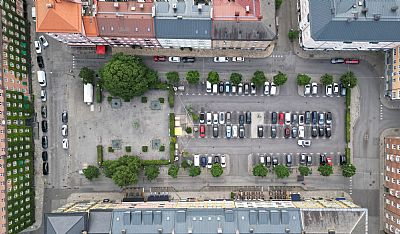
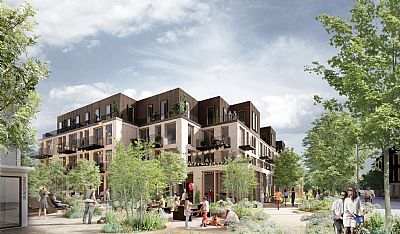
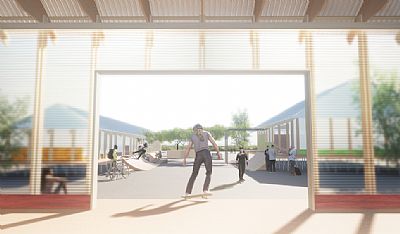
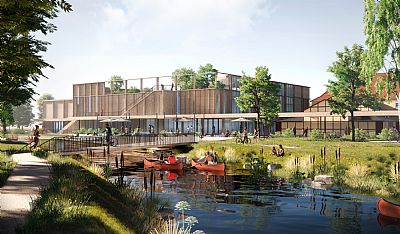
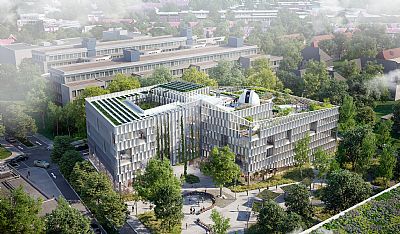
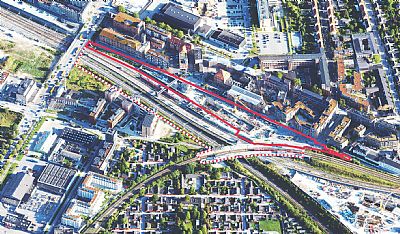
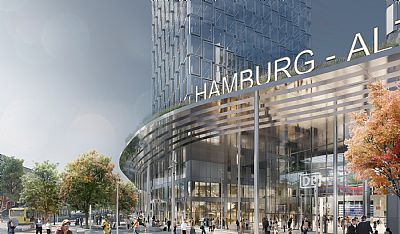
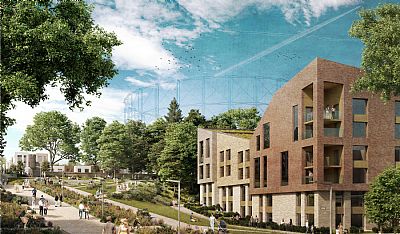
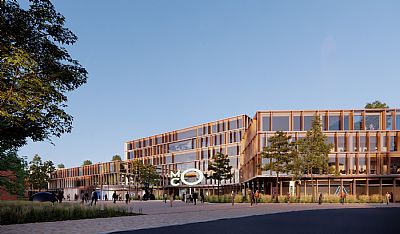
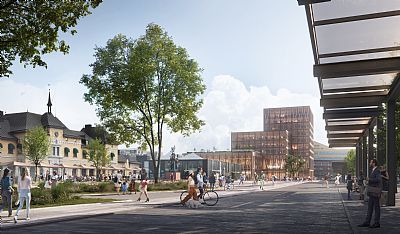
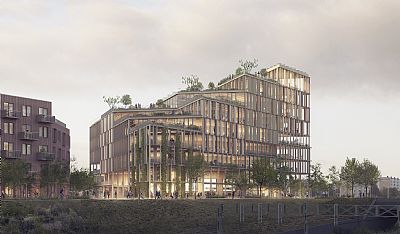
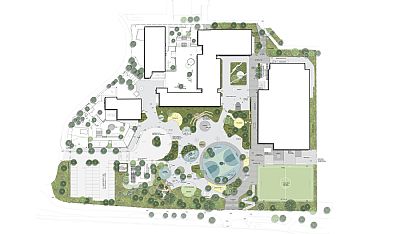
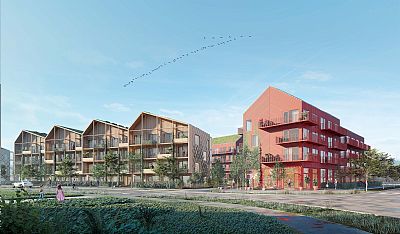
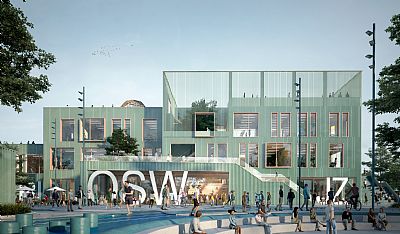
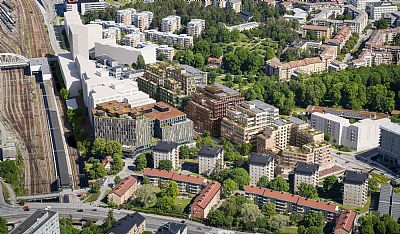
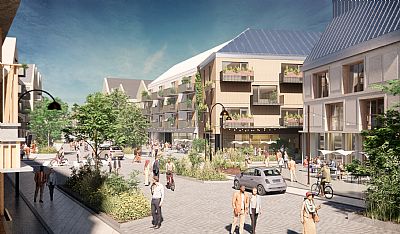
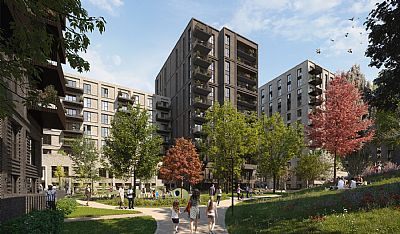
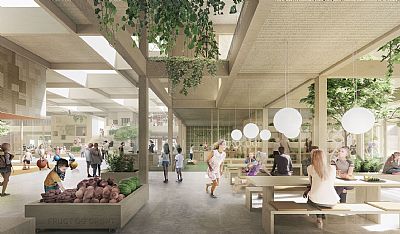
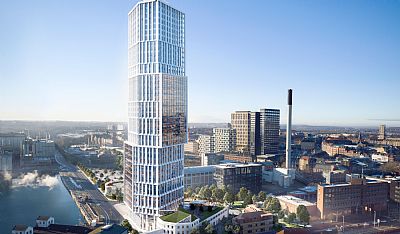
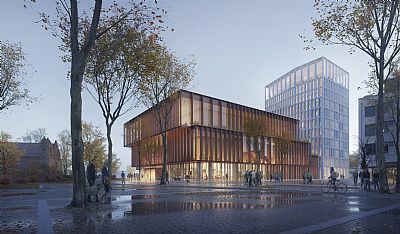
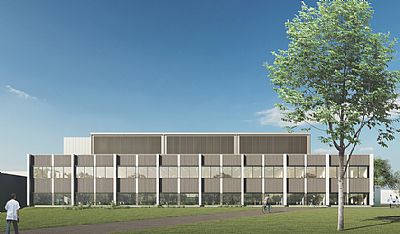
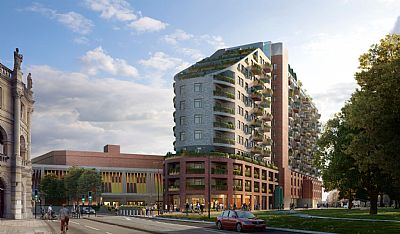
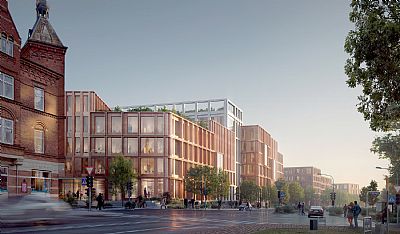
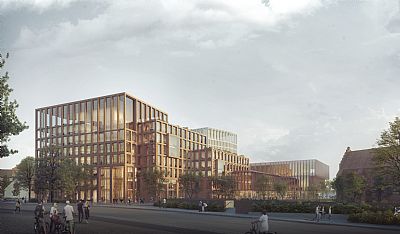
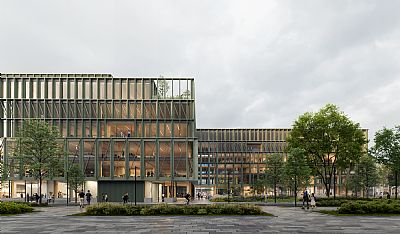
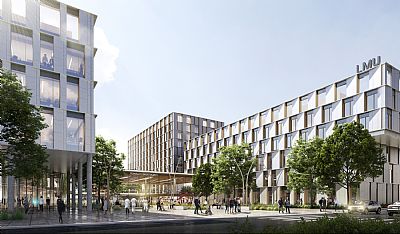
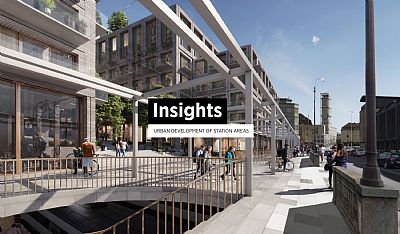
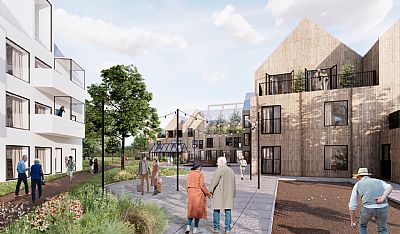
At the heart of the proposal is Paul-Nevermann-Platz, conceived as a new, traffic-calmed urban square and a central meeting point for Altona. The square strengthens east–west connections between key streets and supports public life, markets and everyday activities. To the north, a new bus terminal is integrated into the S-Bahn line, ensuring efficient interchange with minimal intervention in existing structures.
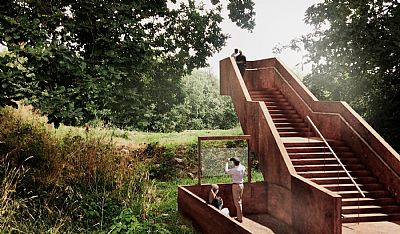
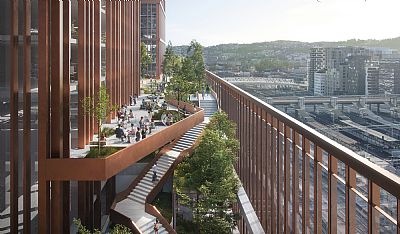
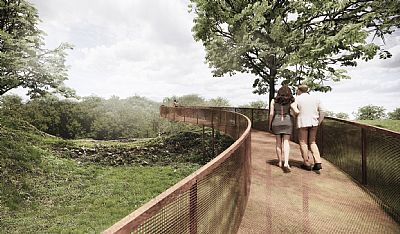
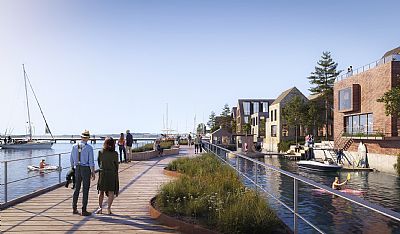
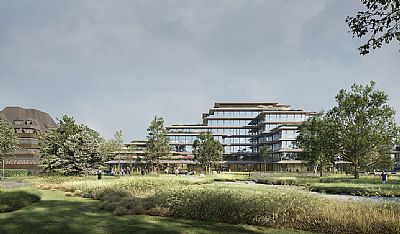
The proposal also reconfigures key mobility routes, prioritising pedestrians and cyclists while consolidating service traffic. A continuous green structure connects the area from north to south, linking urban spaces with a new linear park along the former railway tracks.
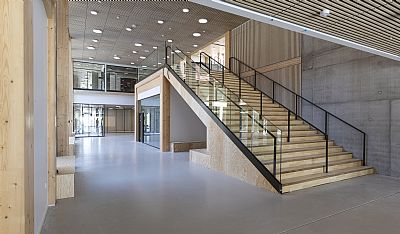
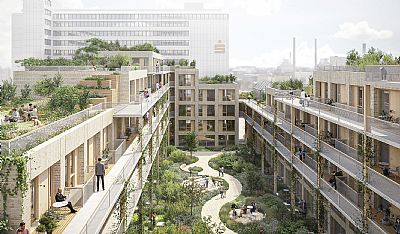
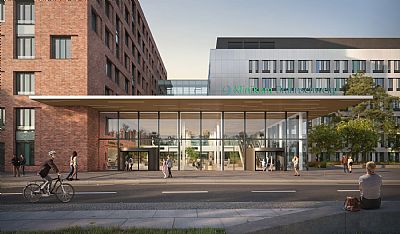
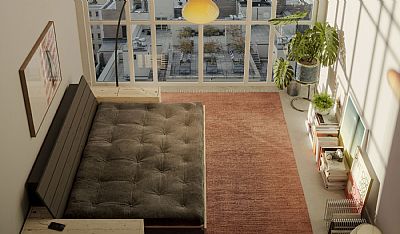
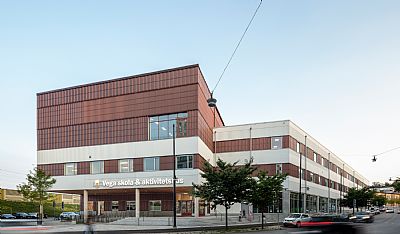
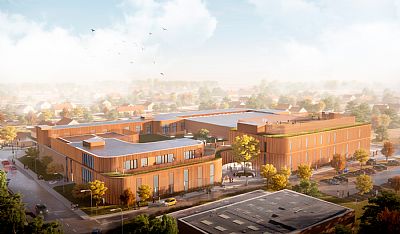
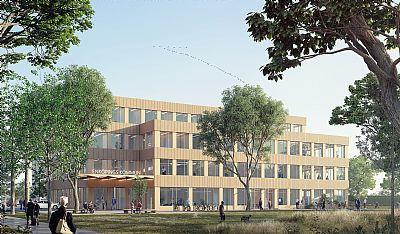
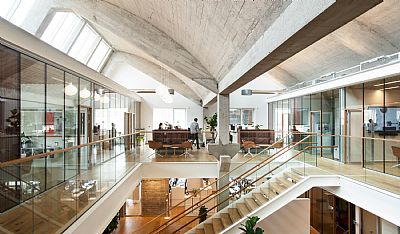
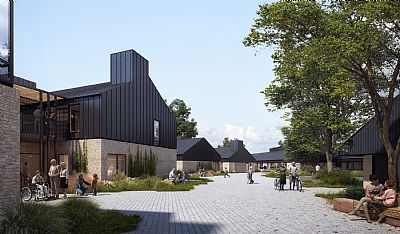
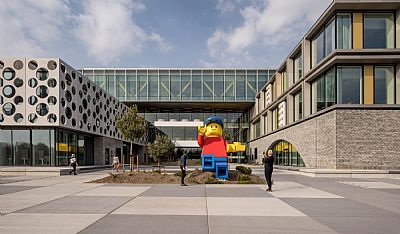
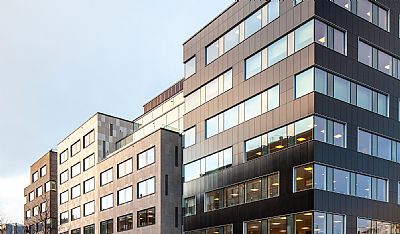
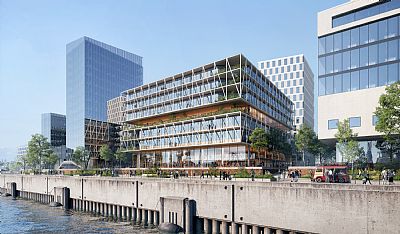
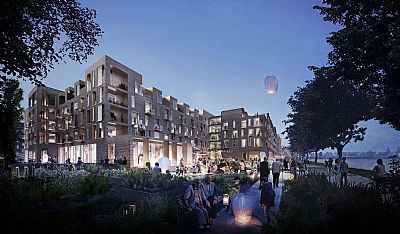
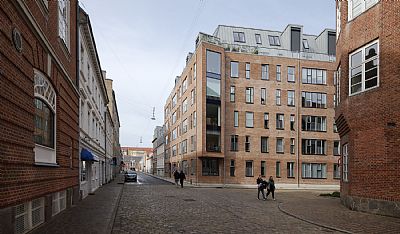
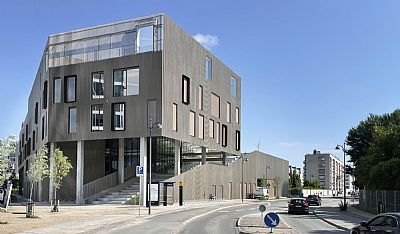
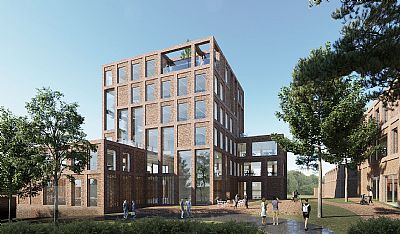
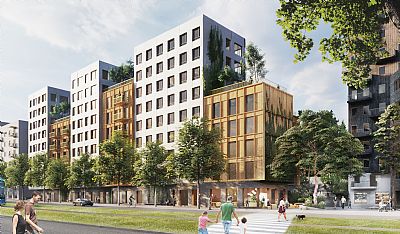
A diverse mix of uses supports a vibrant urban environment, combining housing, commercial functions and public programmes. Flexible building structures and active ground floors contribute to urban life, while new homes and workplaces address future needs in the area.
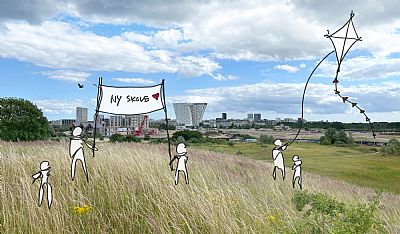
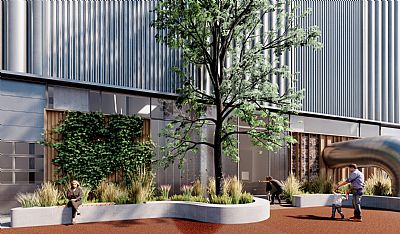
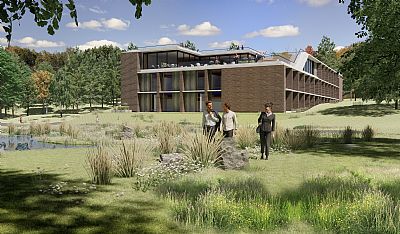
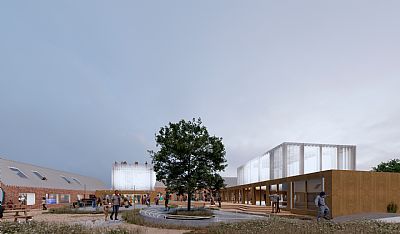
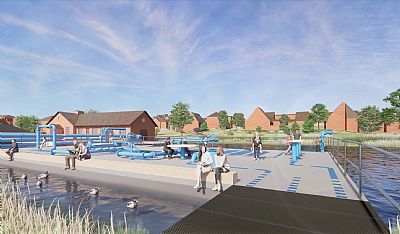
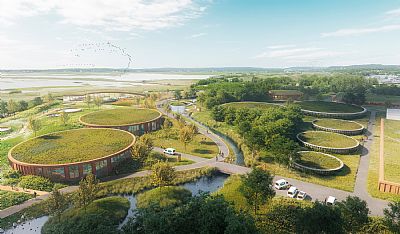
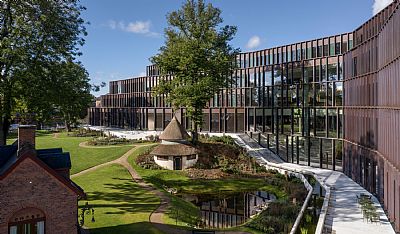
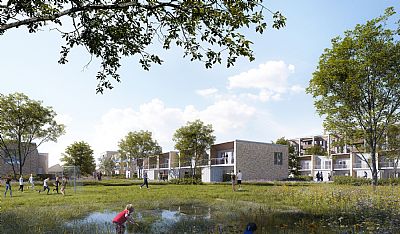
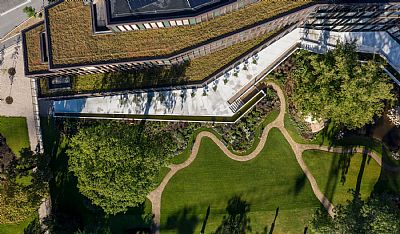
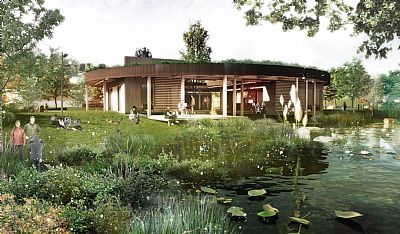
Landscape and sustainability strategies are integral to the design. Climate-responsive solutions include extensive tree planting, water-sensitive surfaces, rainwater management and biodiverse green spaces, which together contribute to a resilient and liveable district.
The jury highlighted the proposal’s well-proportioned urban spaces, strong connections to surrounding neighbourhoods and its potential to create a new identity for central Altona.