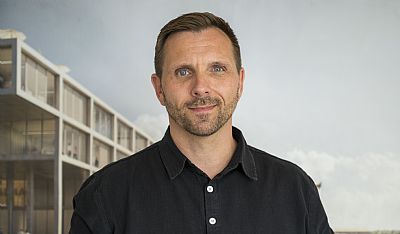
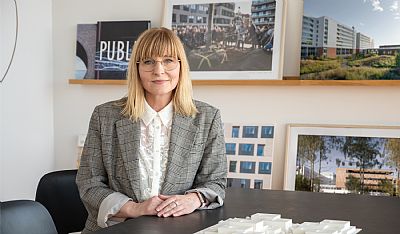
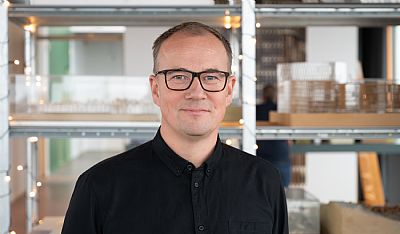
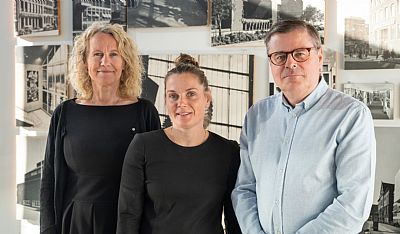
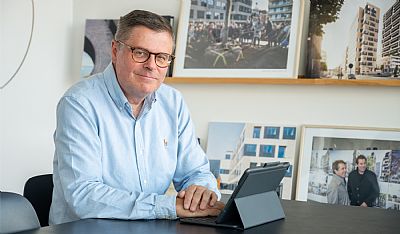
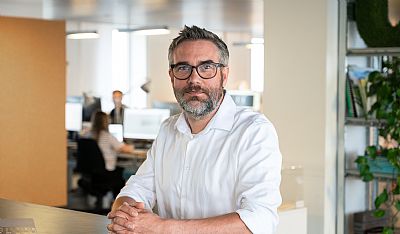
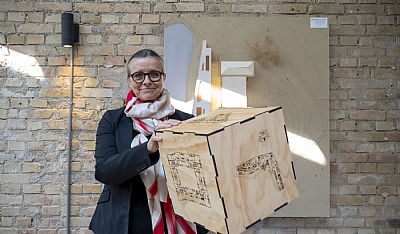
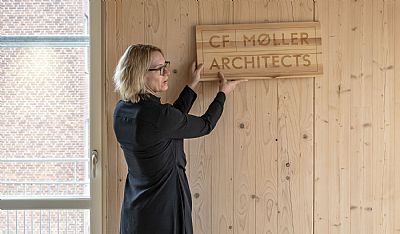
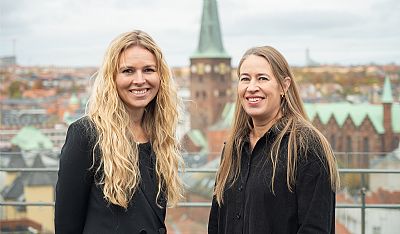
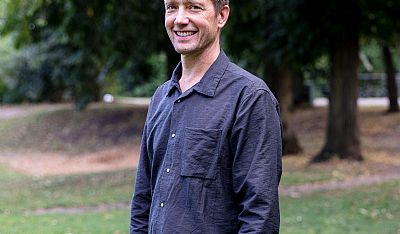
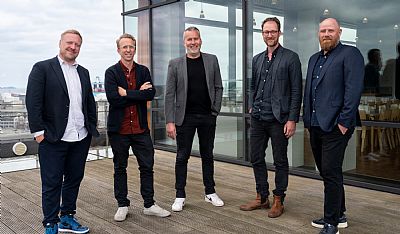
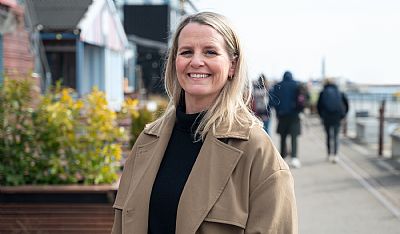
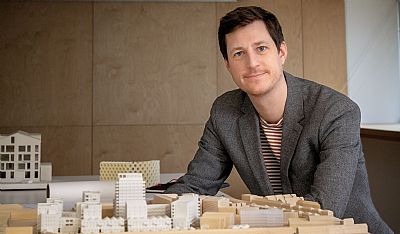
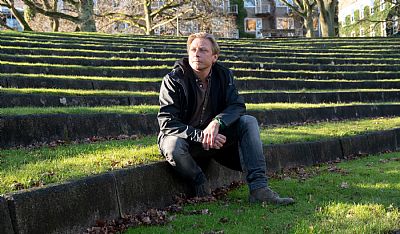
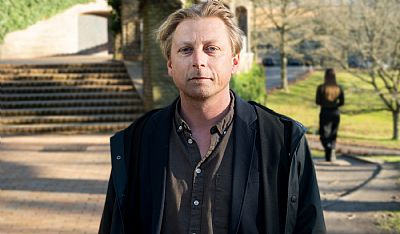
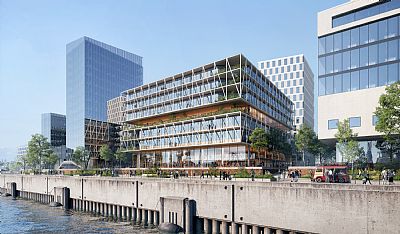
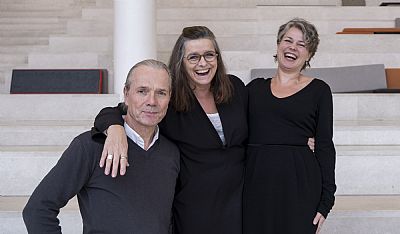
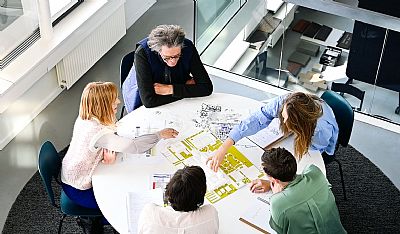
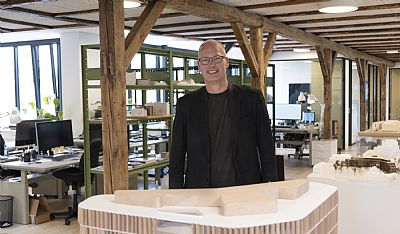
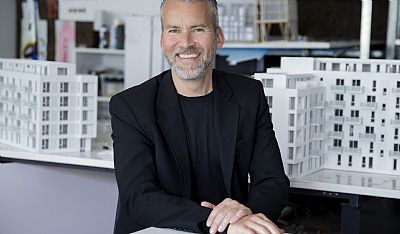
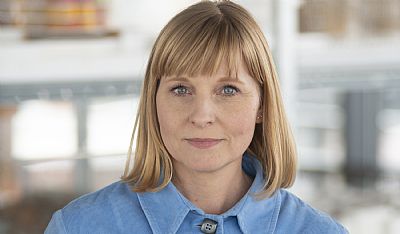
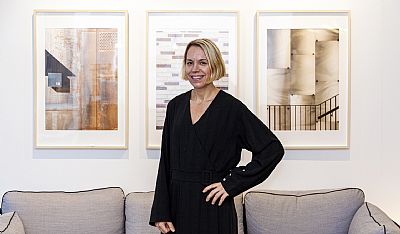
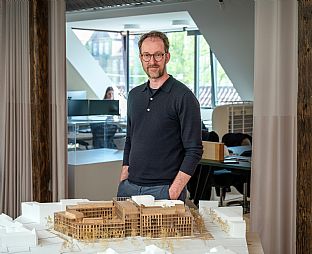
Thue Borgen Hasløv, partner & architect, C.F. Møller Architects - Q&A: Thue Borgen Hasløv on WoodHub - C.F. Møller. Photo: Peter Sikker Rasmussen
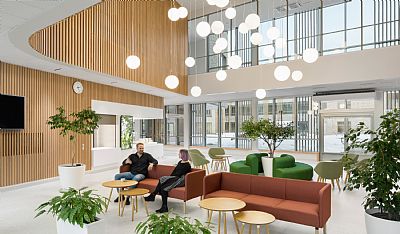
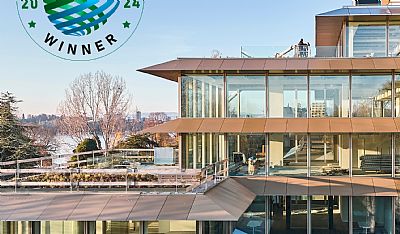
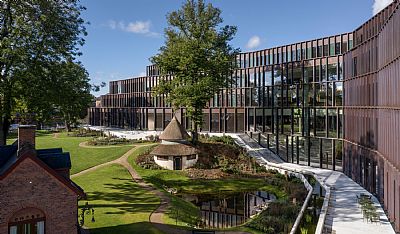
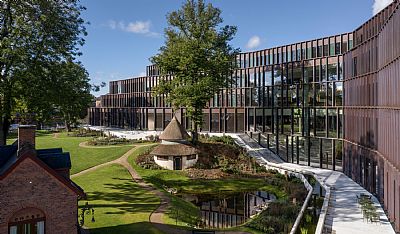
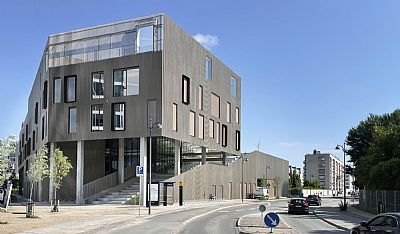
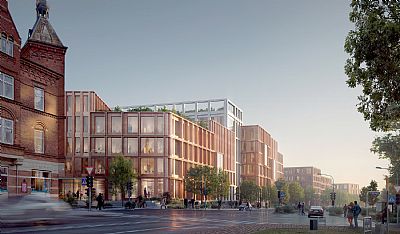
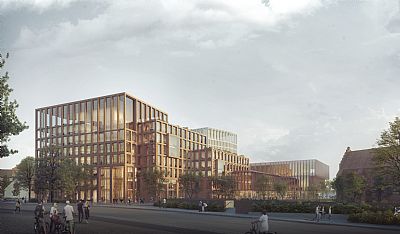
WoodHub, C.F. Møller Architects - Q&A: Thue Borgen Hasløv on WoodHub - C.F. Møller. Photo: Rasmus Hjortshøj
22.1.2026

Q&A: Thue Borgen Hasløv on WoodHub

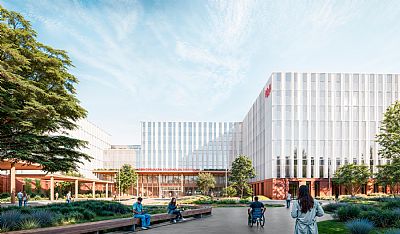
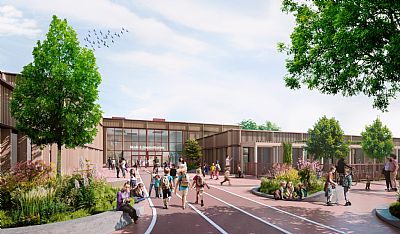
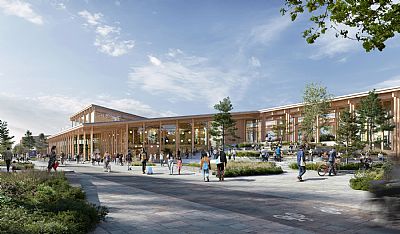
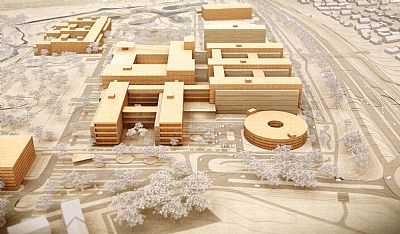
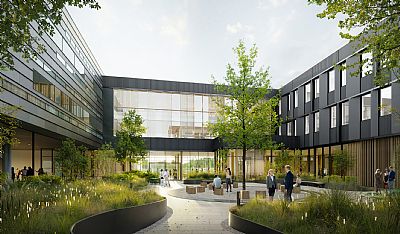
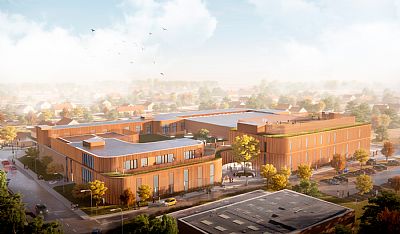
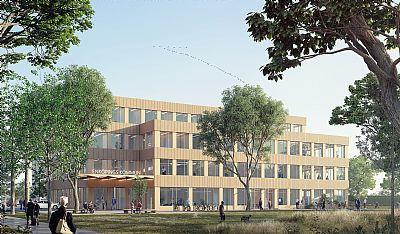
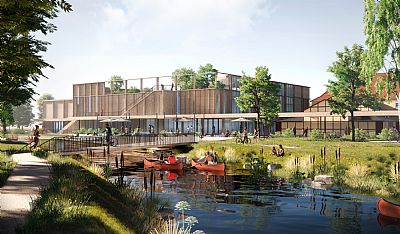
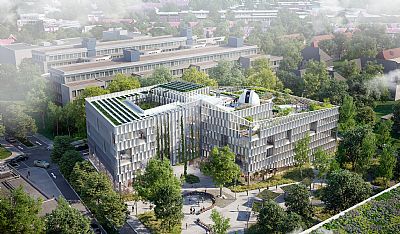
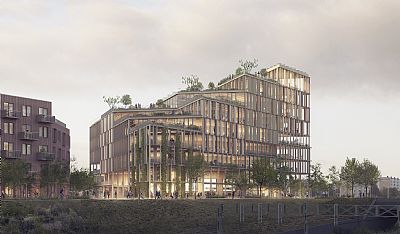
WoodHub in Odense is Denmark’s largest timber office building and a milestone in climate-conscious public architecture. Designed by C.F. Møller Architects, the 31,000 m² project brings together 1,600 government employees in a flexible, light-filled workplace integrated with landscape and greenery. Partner and architect Thue Borgen Hasløv, who led the project, shares his perspectives on its significance, key design decisions, and what it signals for the future of public buildings.


Q: What makes WoodHub significant in a Danish and international context?
Thue Borgen Hasløv: WoodHub is Denmark’s largest timber office building. It demonstrates that timber is not just for smaller-scale projects but can carry large, complex public buildings. That’s an important signal for the future of climate-friendly construction.


Q: Why was timber chosen as the primary material?
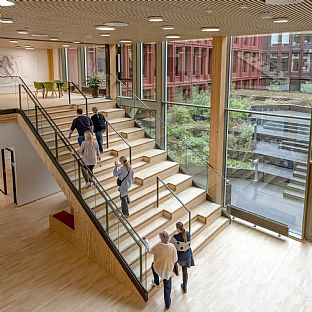
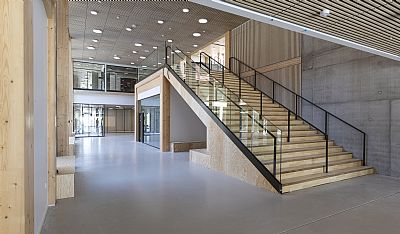
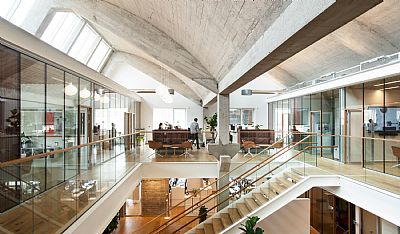
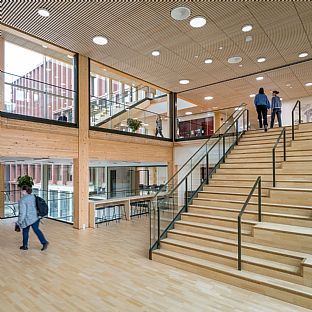
Hasløv: Timber stores carbon, reduces the building’s overall CO₂ footprint, and creates a warm and healthy indoor atmosphere. The combination of glulam and CLT gives both structural strength and sensorial quality.
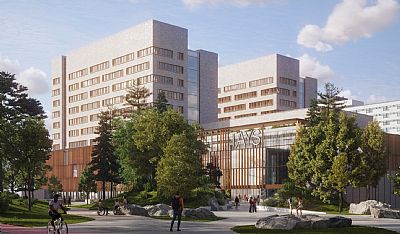
WoodHub, C.F. Møller Architects - Q&A: Thue Borgen Hasløv on WoodHub - C.F. Møller. Photo: Rasmus Hjortshøj

Q: Why is the façade not made of timber?
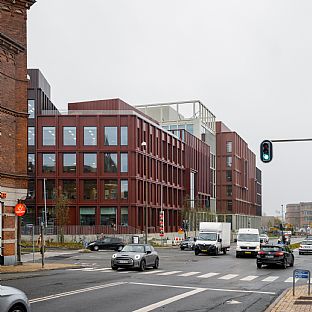
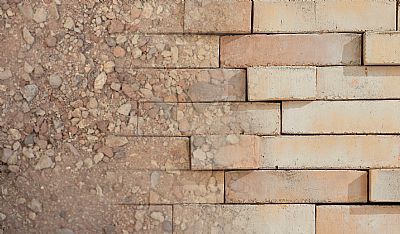
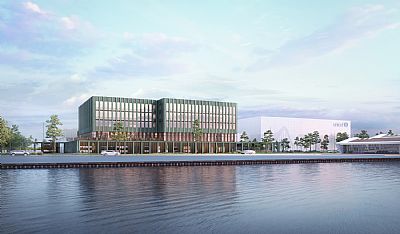
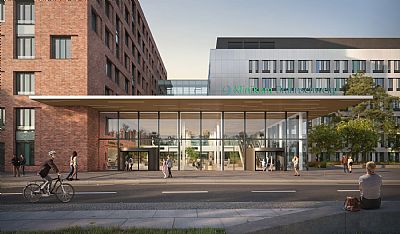
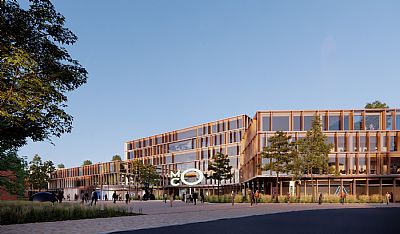
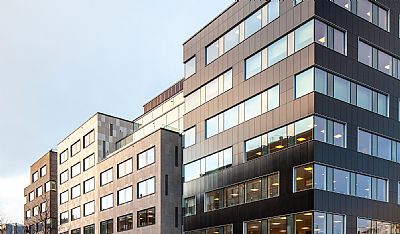
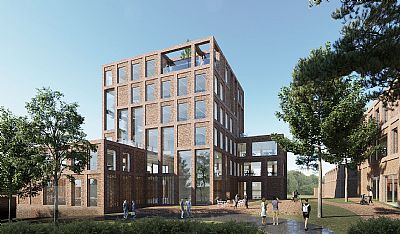
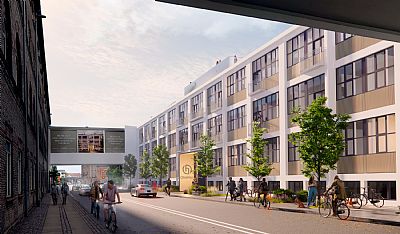
Hasløv: The greatest CO₂ reductions come from the timber load-bearing structures, which also shape the warm interior atmosphere. The façade structure behind the cladding is made of timber cassettes. For the façade, the client wanted a maintenance-free solution, so we chose recycled aluminium in red-brown tones that harmonise with the surrounding brick architecture.


Q: How does the building fit into Odense’s urban context?
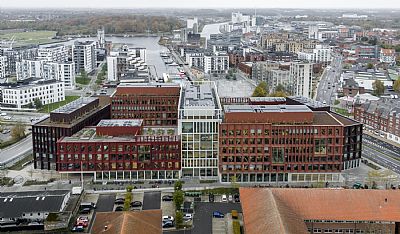
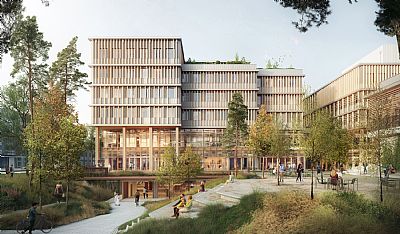
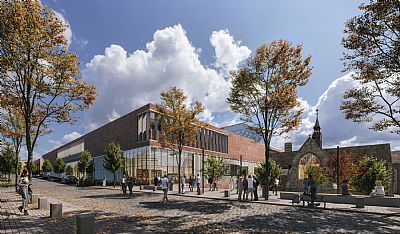
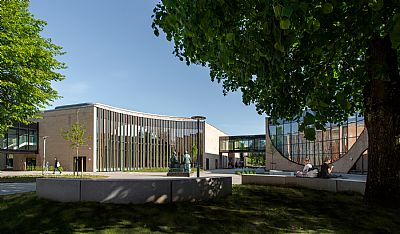
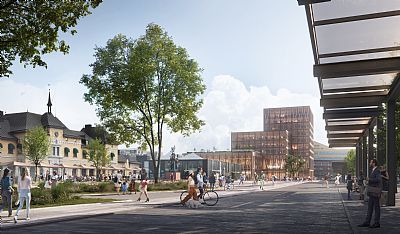
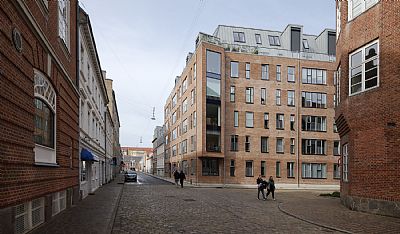
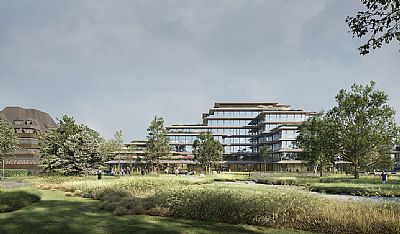
Hasløv: The building steps down in height to match its surroundings, and the façade uses reddish recycled aluminium that resonates with the city’s brick architecture. It’s a modern building, but it feels rooted in place.

WoodHub, C.F. Møller Architects - Q&A: Thue Borgen Hasløv on WoodHub - C.F. Møller. Photo: Rasmus Hjortshøj

Q: How is well-being addressed in the design?
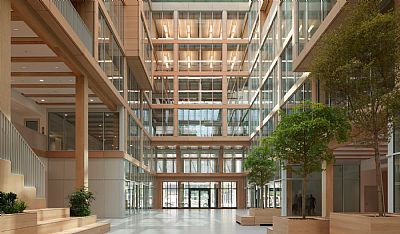
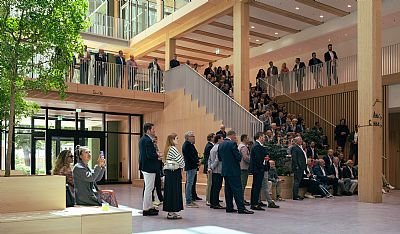
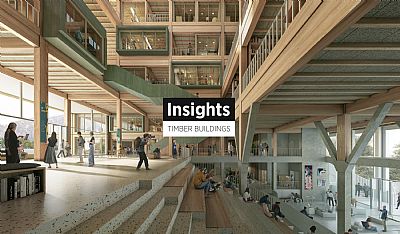
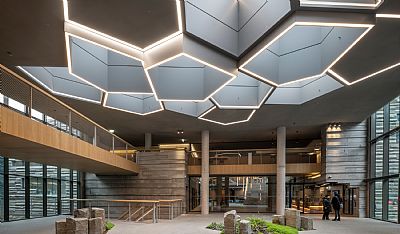
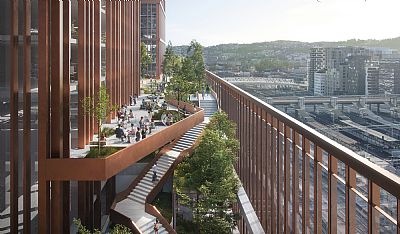
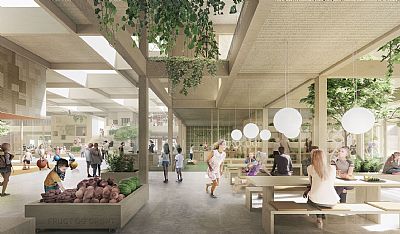
Hasløv: Natural light, exposed wood, and green outdoor spaces all contribute. The central atrium is designed to encourage meetings and knowledge-sharing, while gardens and terraces provide breathing spaces during the day.


Q: What role does greenery play in the project?
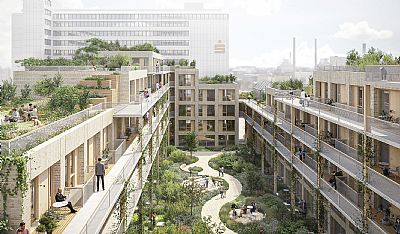
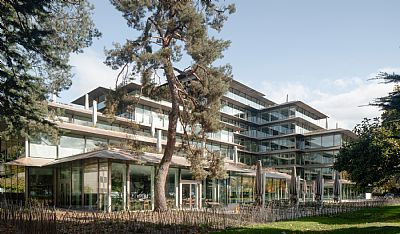
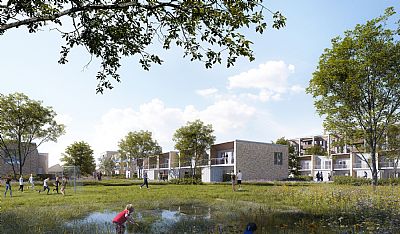
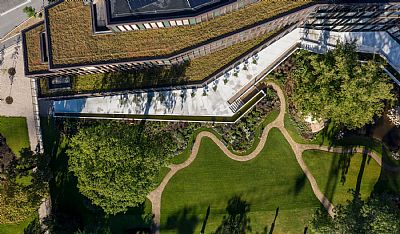
Hasløv: We see nature as part of the workplace. Courtyards and roof terraces support biodiversity and create informal areas for people to meet and relax. It enriches users' daily experience.
 

Q: What does WoodHub say about the future of public buildings?
Hasløv: It sets a precedent. Public buildings can be climate- and people-friendly, and expressive at the same time. WoodHub shows that these goals reinforce one another rather than conflict.


Project Description
Media Kit
Interview: Designing WoodHub

More news

 
Show more news