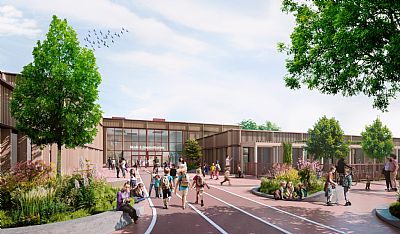
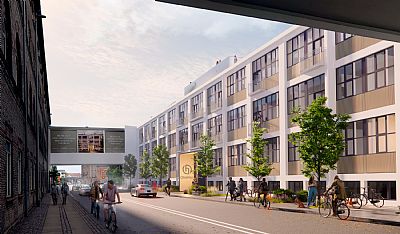
B-One, C.F. Møller Architects - Interview: Julian Weyer on designing B-One - C.F. Møller. Photo: Franz Brück
28.1.2026

Interview: Julian Weyer on designing B-One

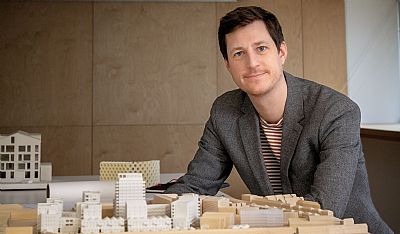
Partner and Architect at C.F. Møller Architects, Julian Weyer, shares insights behind the design of the new climate- and people-driven office building for the real estate bank Berlin Hyp.


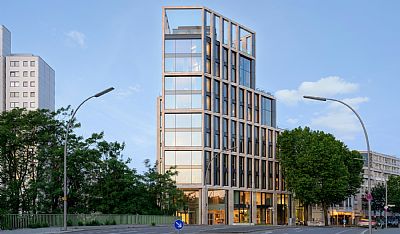
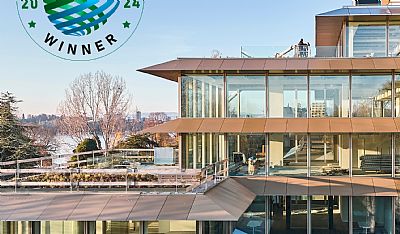
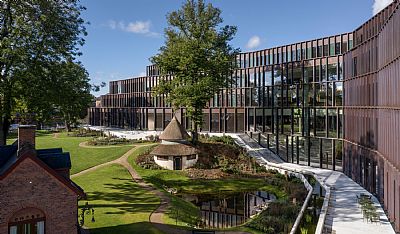
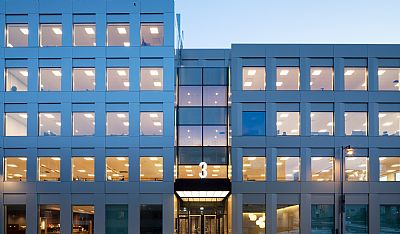
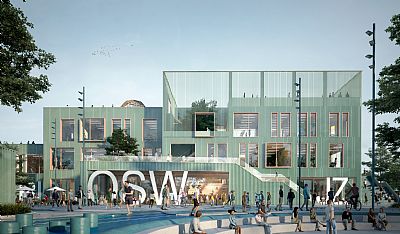
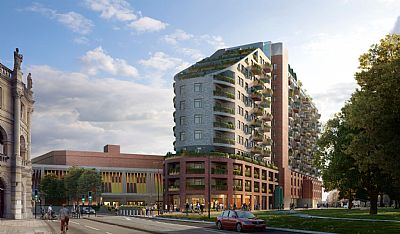
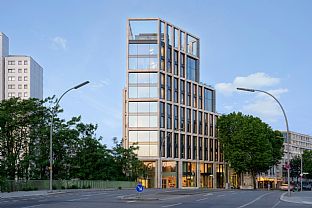
C.F. Møller Architects has completed B-One, a new office building for Berlin Hyp at Budapester Strasse 1 in Berlin, bringing Nordic design principles to a dense urban context. The project, now certified DGNB Platinum and Diamond, combines climate-focused strategies with flexible workplace design, positioning itself as a contemporary model for corporate architecture in the German capital.


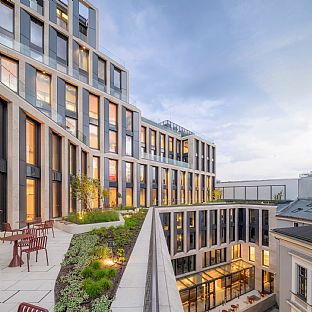
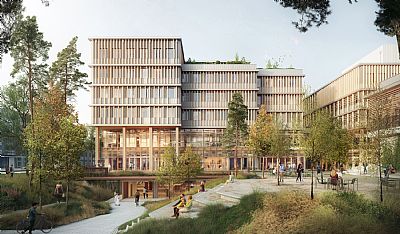
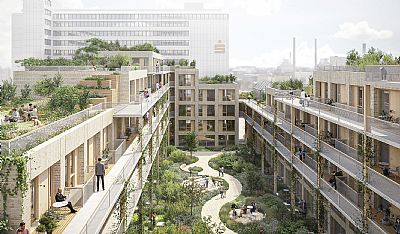
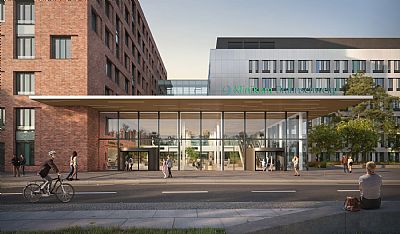
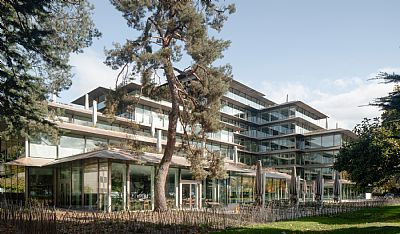
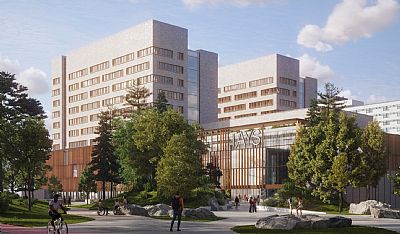
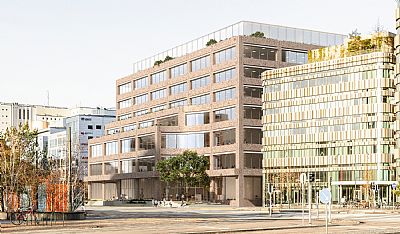
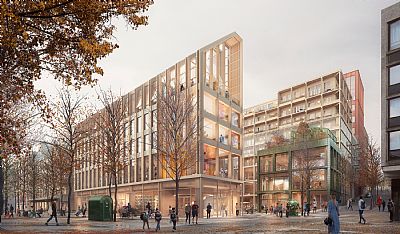
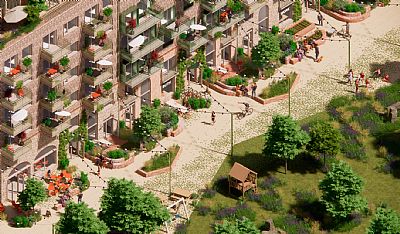
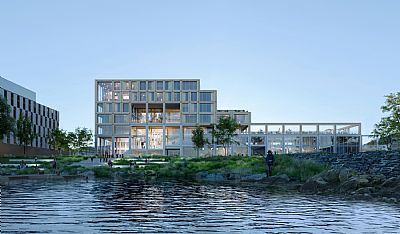
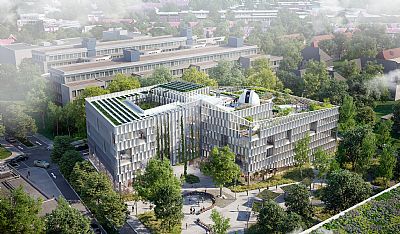
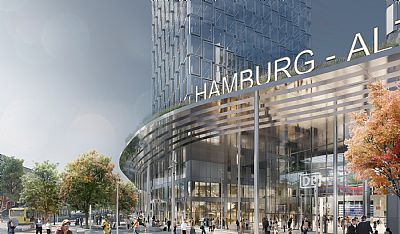
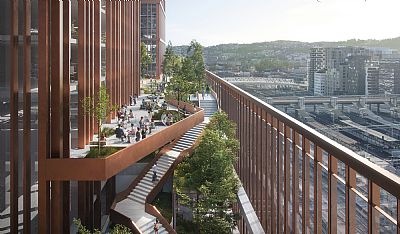
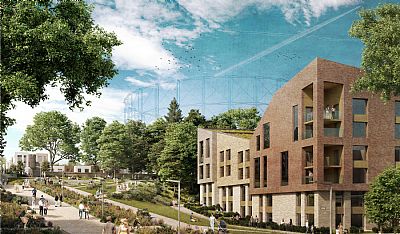
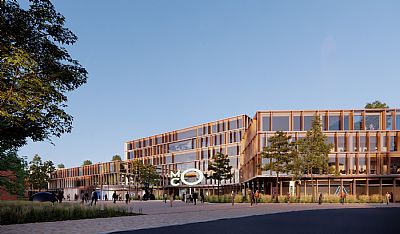
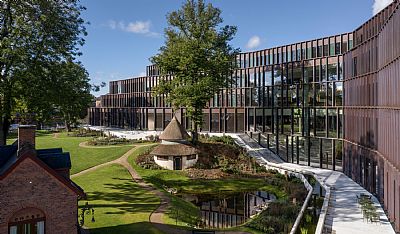
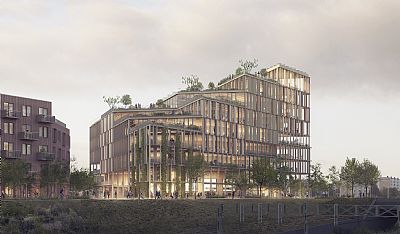
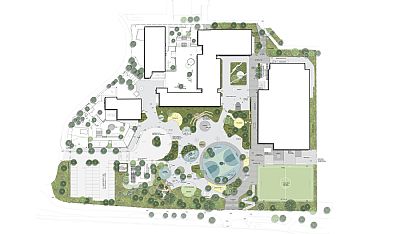
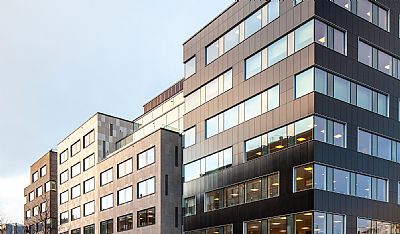
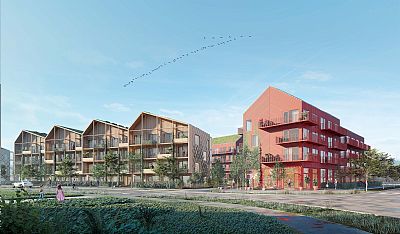
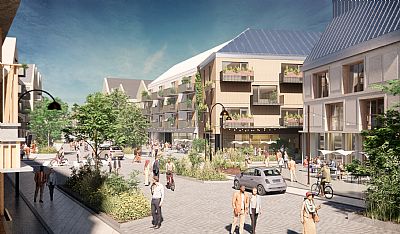
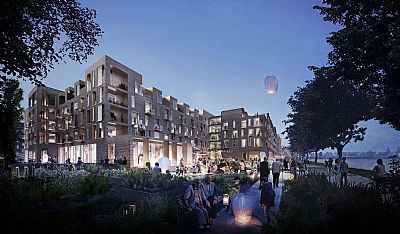
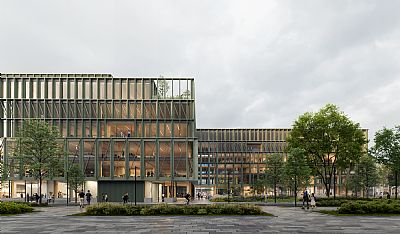
Designed to accommodate employees from both Berlin Hyp and Landesbank Baden-Württemberg (LBBW), the 11-storey building completes an existing city block at the edge of Berlin’s City-West district, close to the Landwehrkanal and Corneliusbrücke. Its stepped form responds to the surrounding urban fabric, transitioning from a 45-metre-high volume down towards a neighbouring historic villa while introducing planted terraces that cascade from roof level to the street.

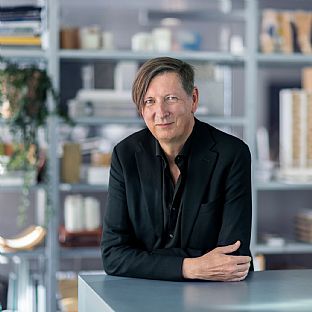
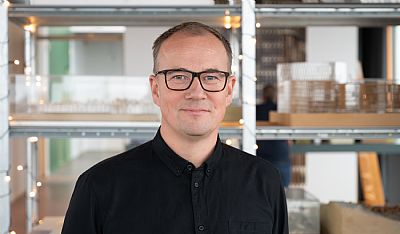
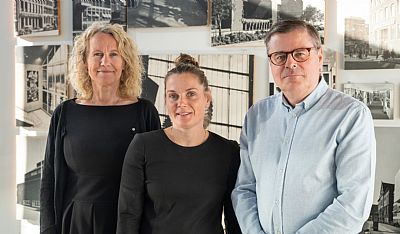
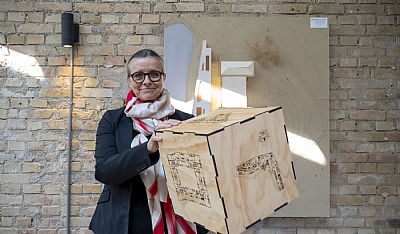
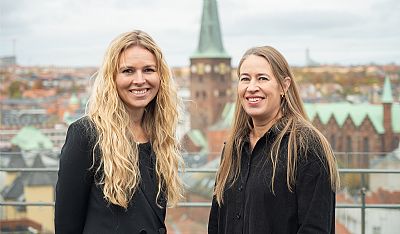
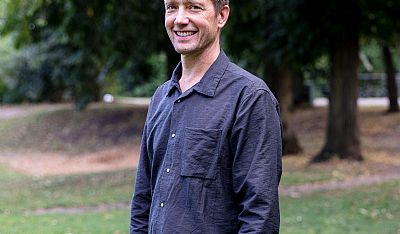
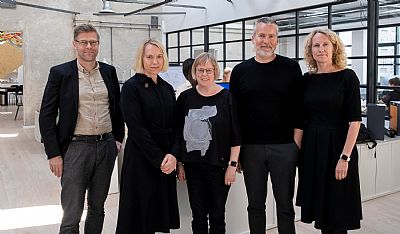
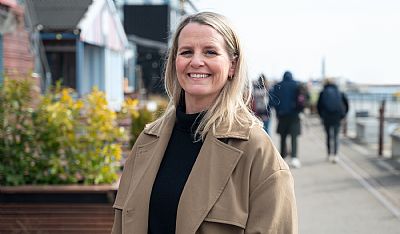
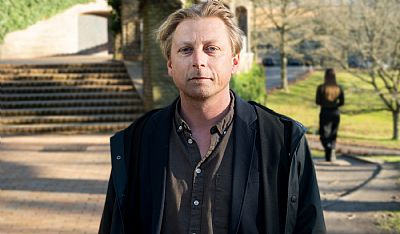
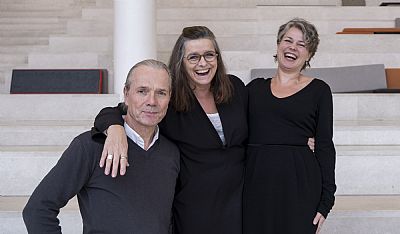
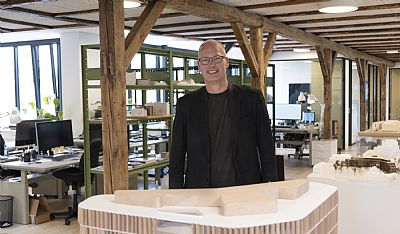
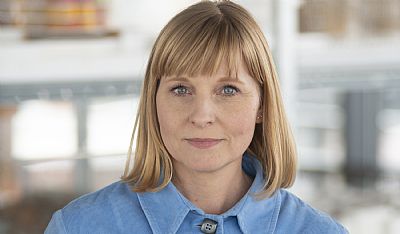
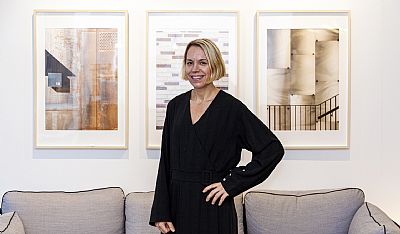
Julian Weyer, partner & architect, C.F. Møller Architects - Interview: Julian Weyer on designing B-One - C.F. Møller. Photo: Mew


“Our ambition was to move beyond traditional corporate architecture,” said C.F. Møller partner Julian Weyer. “The building integrates climate performance, flexibility and well-being as core architectural drivers rather than as technical add-ons.”


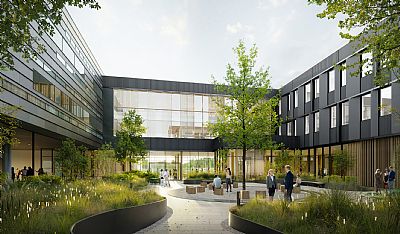
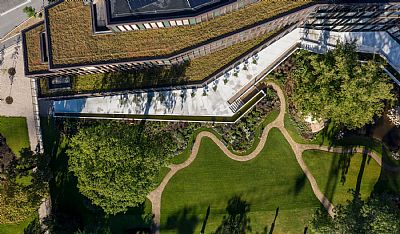
The terraced massing reflects the studio’s Nordic design approach, emphasising the relationship between architecture and landscape. Accessible outdoor spaces are integrated throughout the building, extending the workplace into greenery and creating microclimates that enhance user comfort.

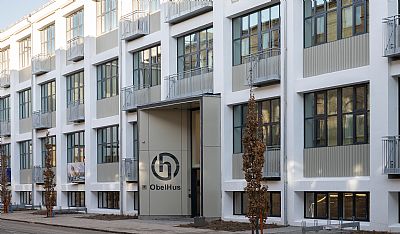
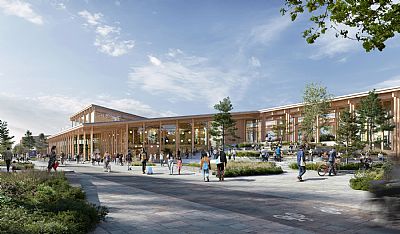
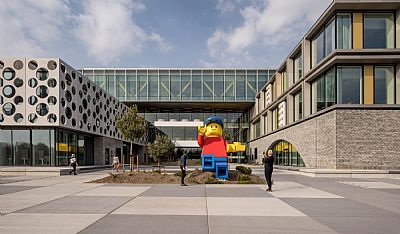
B-One, C.F. Møller Architects - Interview: Julian Weyer on designing B-One - C.F. Møller. Photo: Franz Brück

Climate Consciousness
Environmental performance shaped the design from the outset. Compared with its predecessor, B-One reduces energy consumption by more than 50 per cent through a combination of passive and active strategies, including self-shading façade elements, photovoltaic panels embedded within a natural-stone grid, geothermal heating, and concrete core temperature regulation.


A decentralised hybrid ventilation system allows occupants to choose between façade-based mechanical ventilation and natural window ventilation, supporting both energy efficiency and user control. Rainwater is collected and reused across the planted terraces, ensuring that stormwater is managed entirely within the building’s landscape infrastructure.

B-One, C.F. Møller Architects - Interview: Julian Weyer on designing B-One - C.F. Møller. Photo: Franz Brück

Futureproof by flexibility
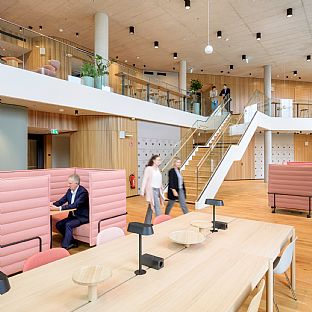
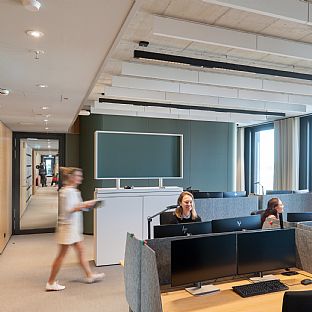
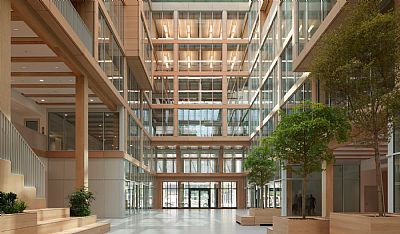
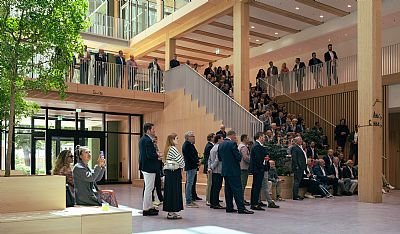
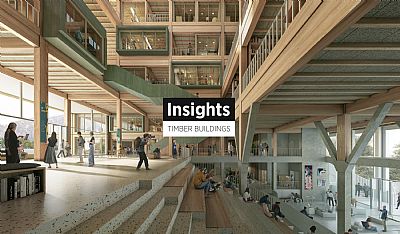
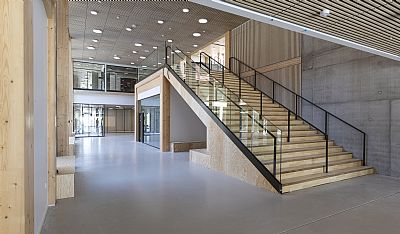
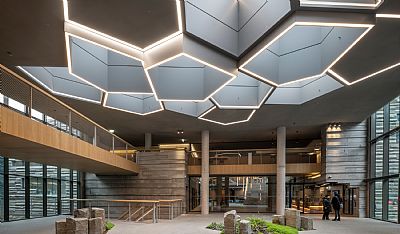
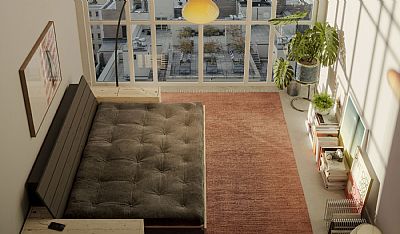
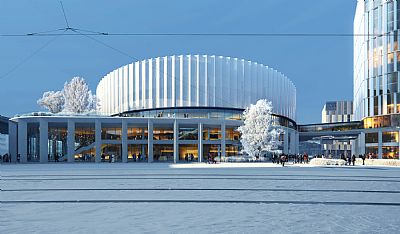
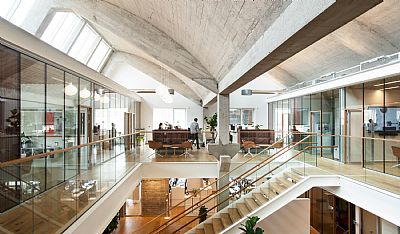
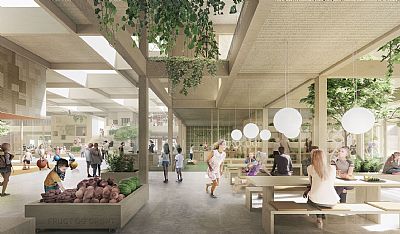
Internally, the architectural concept centres on flexible, activity-based working environments. A multi-level “town hall” space serves as the building’s social heart, featuring a prominent staircase with integrated seating for informal meetings, events and collaborative work. From here, a sequence of double-height spaces follows the building’s stepped profile upwards, connecting diverse activity zones with outdoor terraces.


“The idea of flexibility goes beyond movable partitions,” Weyer said. “It’s about creating spatial diversity that can evolve to meet changing workplace needs.”


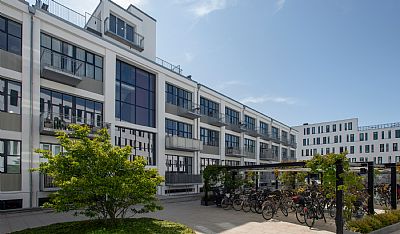
With approximately 19,000 square metres of floor area across 13 levels, including two basement floors with extensive bicycle parking and electric vehicle charging, the building also promotes sustainable mobility. Public-facing gallery spaces at ground level extend the building’s programme into the urban realm, supporting cultural engagement.


For Weyer, B-One demonstrates how climate ambition can inform architectural identity rather than constrain it. “Climate-friendliness, flexibility and architectural quality are not competing objectives,” he said. “When integrated from the outset, they strengthen each other.”


Project Description
More news

 
Show more news