How do you decide what to preserve and what to change?
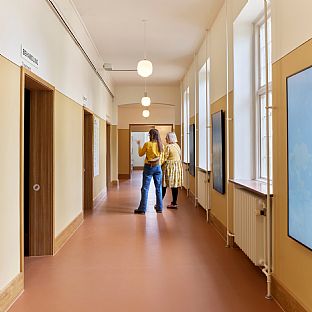
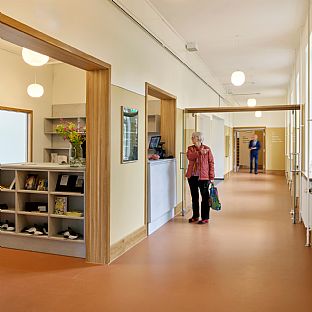
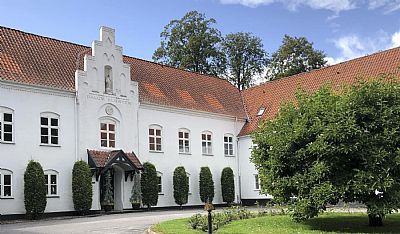
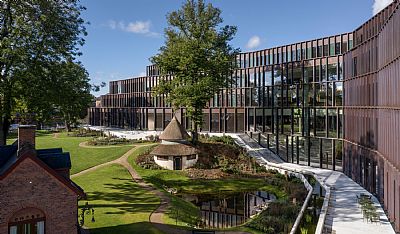
Transformation is always about prioritisation. We focus on identifying what creates architectural, cultural and experiential value. Some elements are essential because they tell the story of the place. Others can be adapted to support new uses. The goal is not to preserve everything, but to preserve what matters.
What role do the new interventions play?
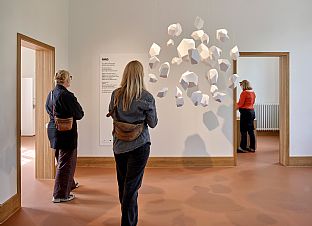
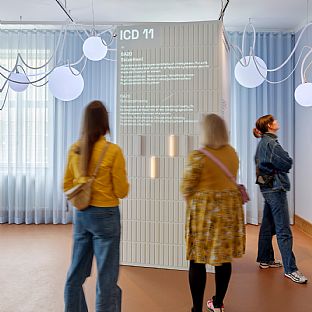
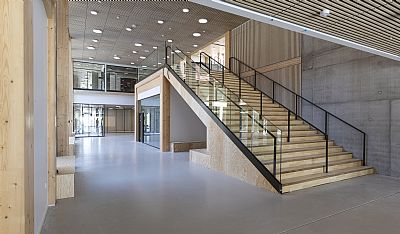
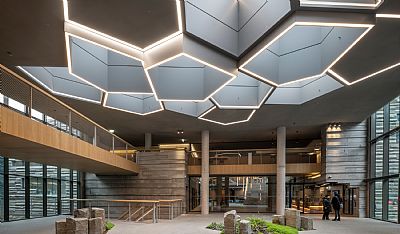
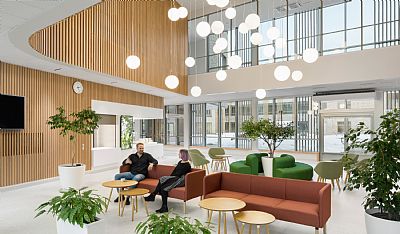
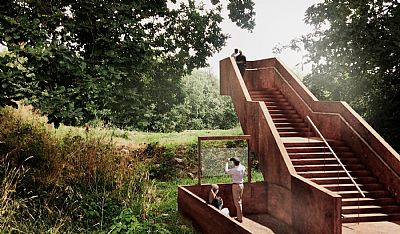
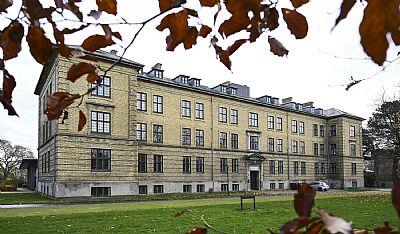
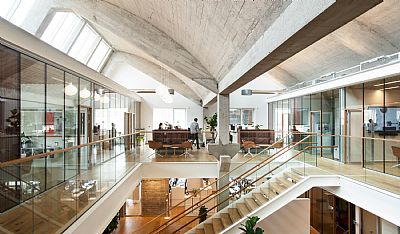
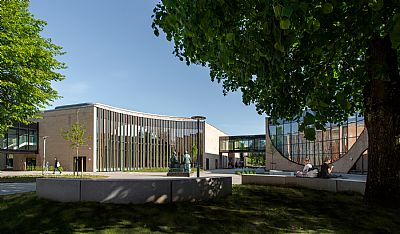
Two architectural interventions play a particularly important role in the museum experience. The first is a new main staircase that leads visitors from the foyer to the ground floor. An opening has been created in the foyer wall, forming a seating plinth and offering views towards the ticket desk and the MINDwalk staircase. The second intervention is the MINDwalk staircase itself, which connects the ground floor to the basement and, in the future, the former connecting tunnels beneath the hospital complex, where MINDwalk is planned to be established. Together, these interventions create new spatial connections and experiences while reinforcing the museum's narrative about the mind, institutional life and the hidden histories beneath the hospital.
What can transformation projects learn from MIND Museum?
One of the most important lessons is that existing buildings should not be seen as constraints. They contain cultural memory, spatial qualities and material resources that can become drivers of innovation. Often the most powerful architectural idea is not what we add, but what we reveal.