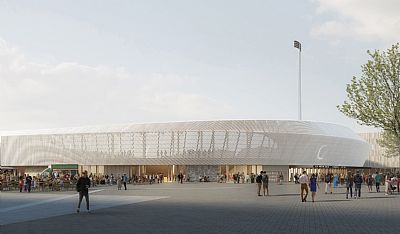
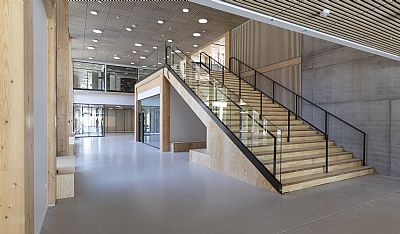
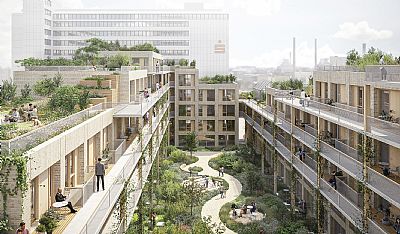
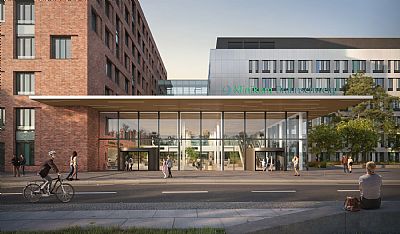
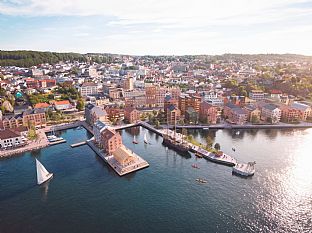
Larvik - New urban development strategy to bring Larvik closer to the fjord - C.F. Møller. Photo: C.F. Møller Architects
19.11.2026

New urban development strategy to bring Larvik closer to the fjord

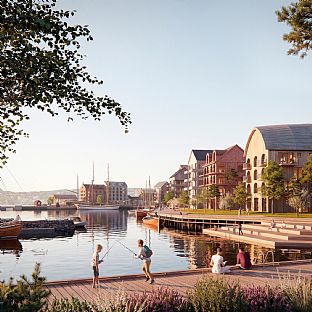
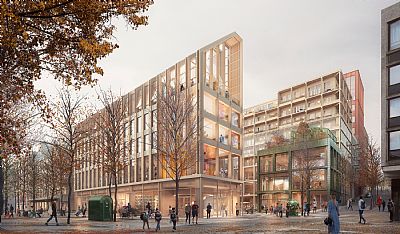
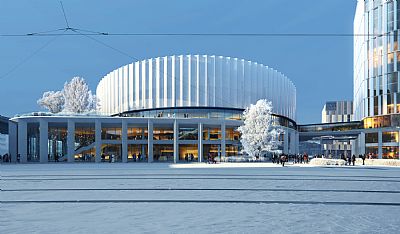
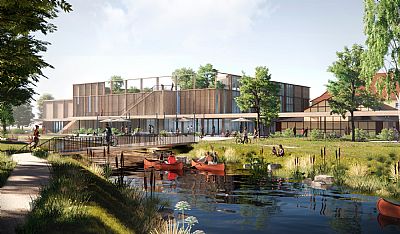
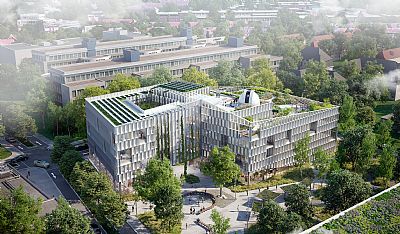
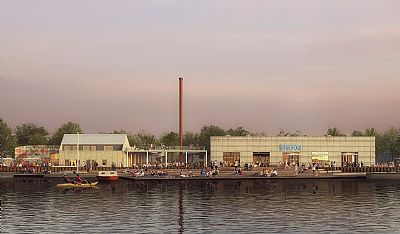
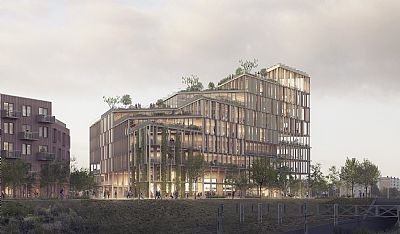
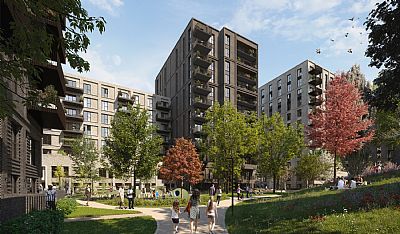
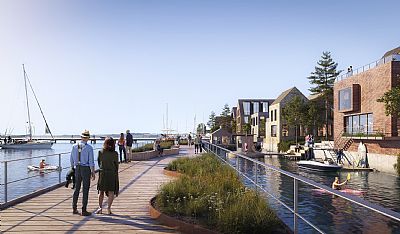
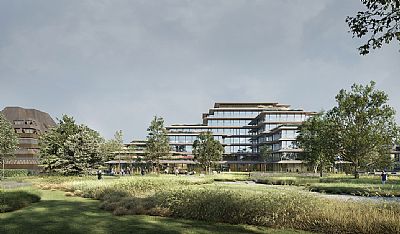
C.F. Møller Architects, in collaboration with WSP, has developed an urban development strategy for the Norwegian coastal town of Larvik. The strategy aims to connect the town and the fjord, create a vibrant waterfront district and strengthen its role as a regional transport hub. It combines long-term ambitions for urban development with a concrete plan for how they can be realised – including financially.


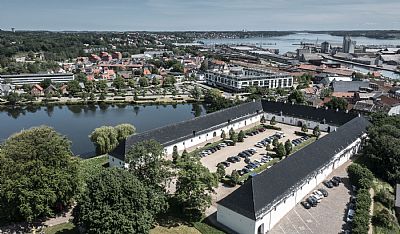
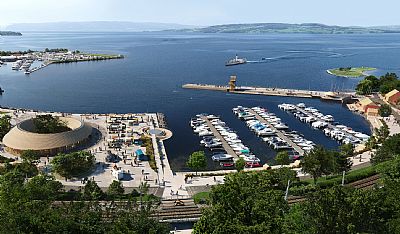
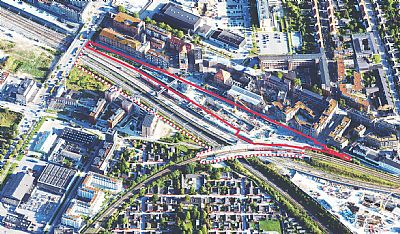
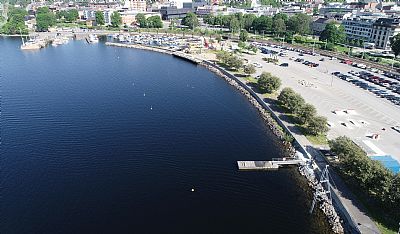
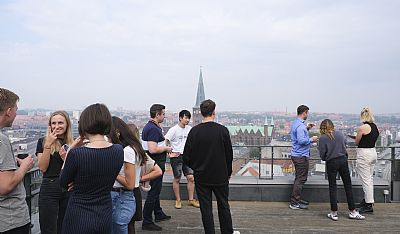
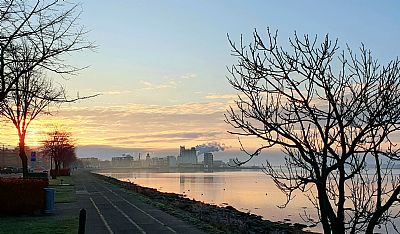
For decades, Larvik has had a vision of bringing the town closer to the fjord. An important step towards realising this vision has now been taken with a new urban development strategy for Indre Havn (the inner harbour) and the area surrounding the railway station, which was presented to local residents on Wednesday 18 November.
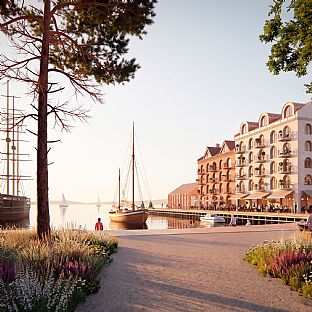
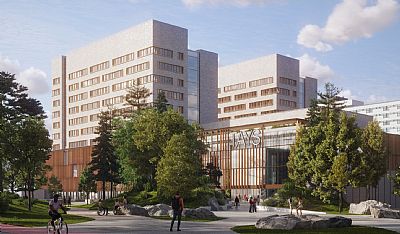
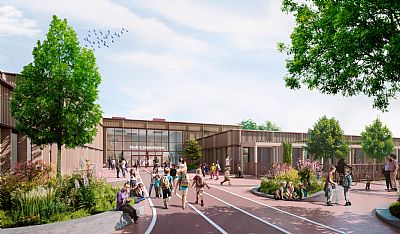
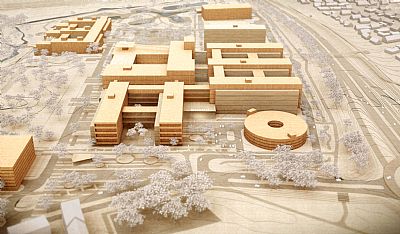
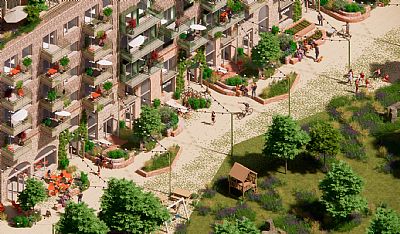
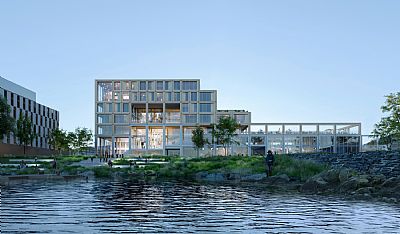
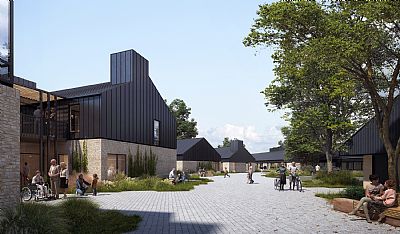
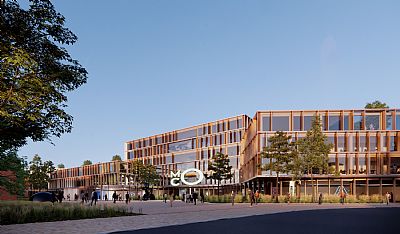
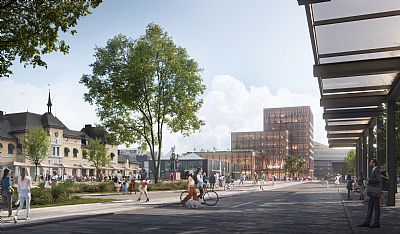
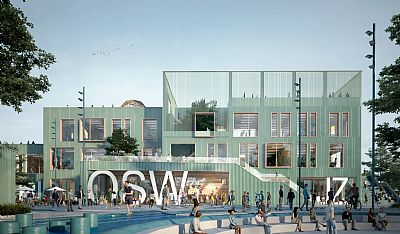
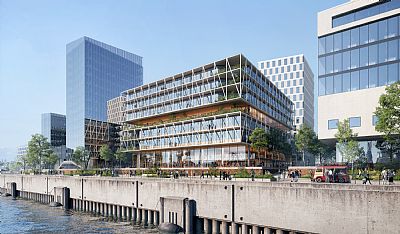
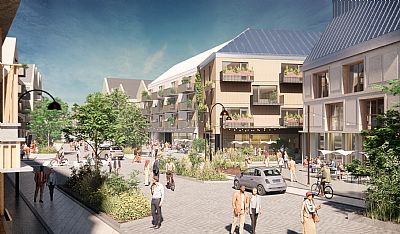
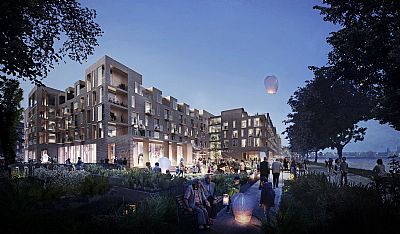
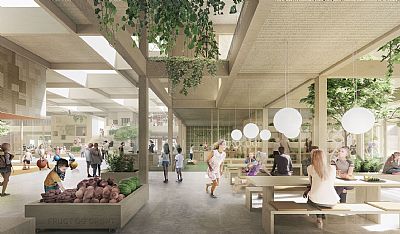
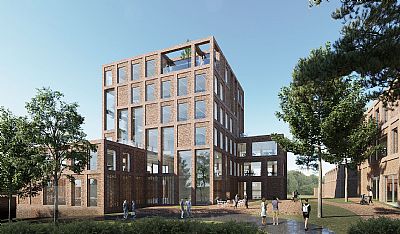
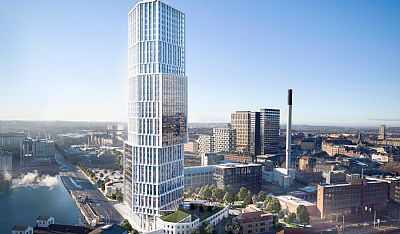
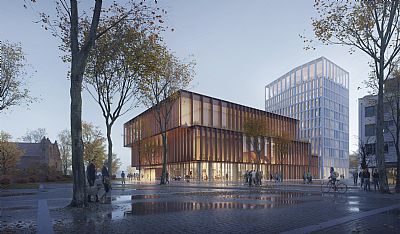
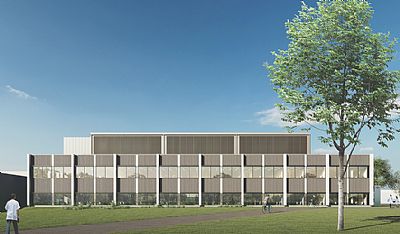
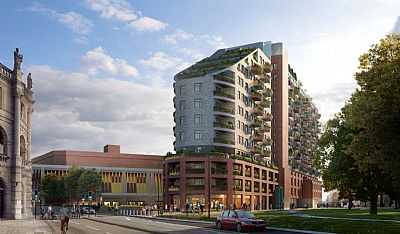
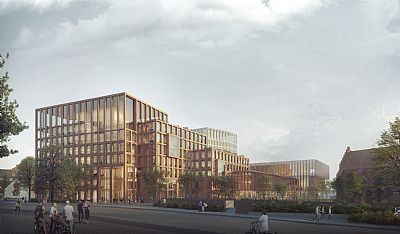
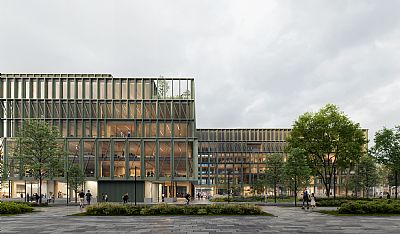
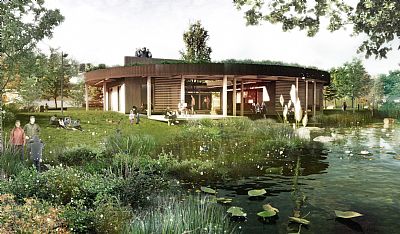
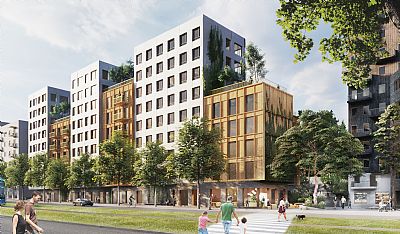
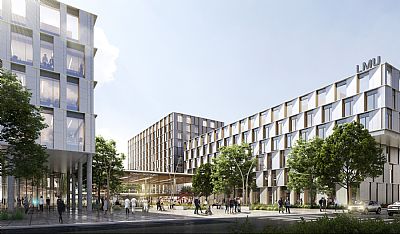
Developed by C.F. Møller Architects in collaboration with WSP for Larvik Municipality, the strategy lays the foundations for transforming a central harbour area into a vibrant new district with homes, workplaces, cultural facilities, parks and recreational spaces. At the same time, the development of the railway station as a future-ready transport hub will strengthen Larvik's attractiveness as a place to live and work in the region.

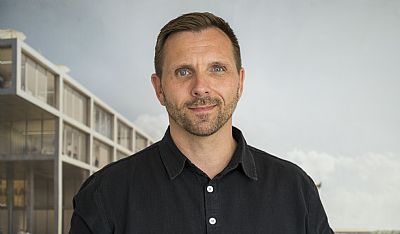
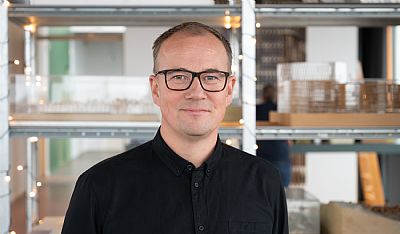
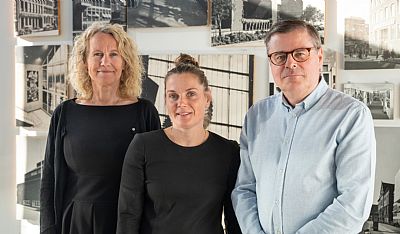
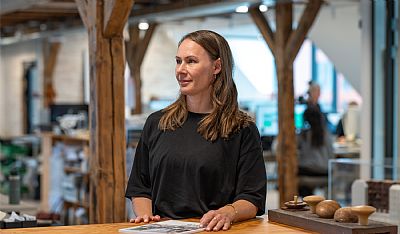
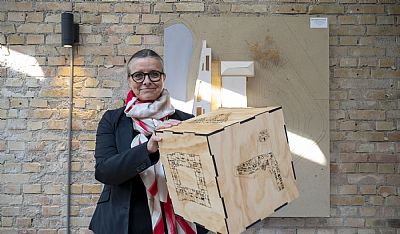
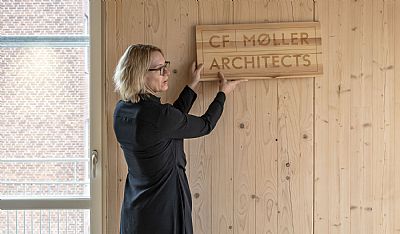
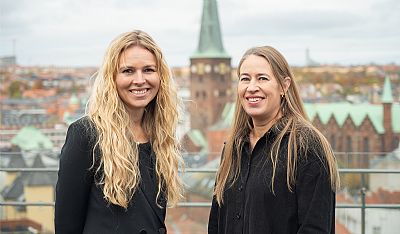
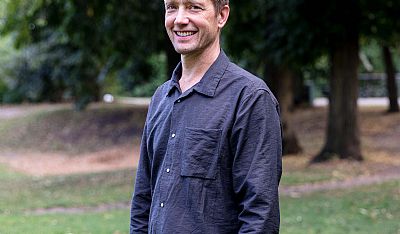
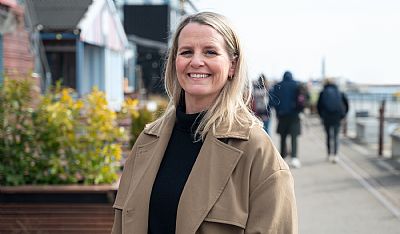
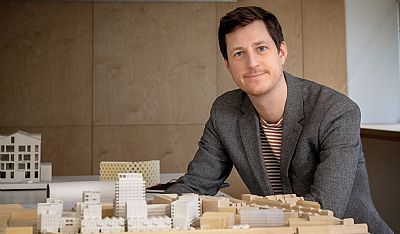
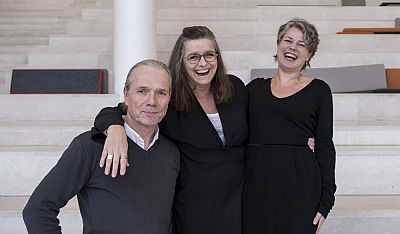
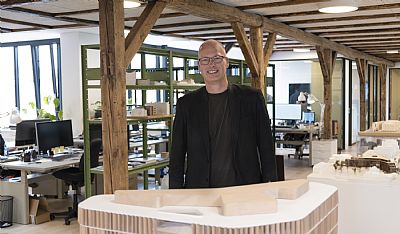
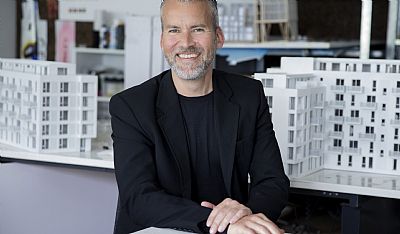
Therese Mælen-Ødegaard, Architect & Head of Branch, Oslo - New urban development strategy to bring Larvik closer to the fjord - C.F. Møller. Photo: Mew

Urban development on a realistic basis
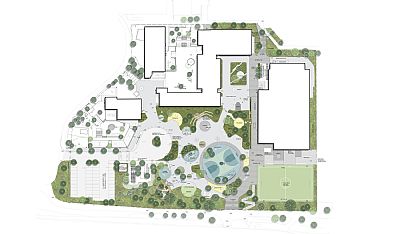
A central element of the strategy has been to explore how property development can help finance public spaces and recreational amenities that benefit the entire town. Challenging ground conditions and deteriorating harbour infrastructure require considerable investment, placing particular emphasis on the balance between built development and public space.
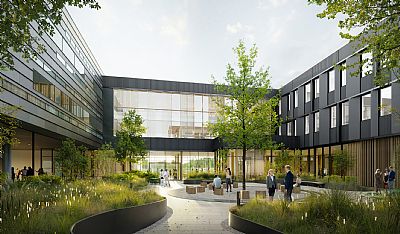
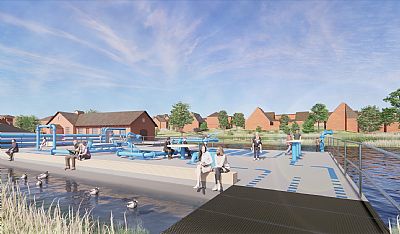
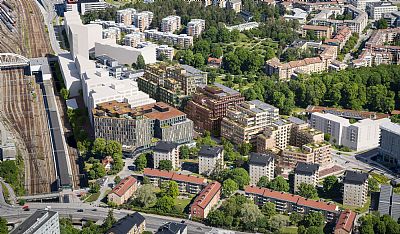
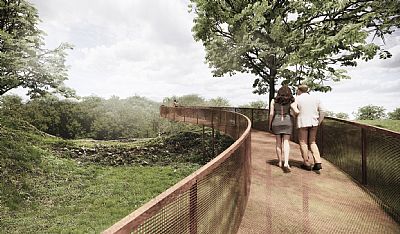
Through analyses of different development scenarios, the consultancy team recommends a compact urban district where taller buildings both free up space for public use and create a stronger financial basis for establishing features such as parks, a continuous waterfront promenade and new connections between the town and the fjord.


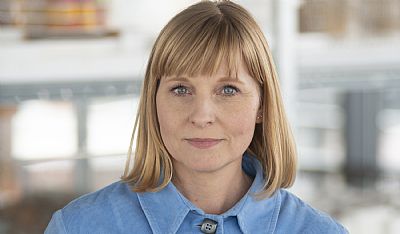
"Our ambition has been to develop a strategy that not only shows what Larvik could look like in the future, but also how the town can get there. From the outset, we have therefore approached architecture, landscape, mobility and economics as an integrated whole. It is about finding a balance where investment in urban development creates lasting value for the whole of Larvik and for future generations," says Therese Mælen-Ødegaard, architect and Head of C.F. Møller Architects' Oslo office.


The strategy includes a phased development plan extending to 2050, incorporating temporary activities and new uses for the area so that residents can enjoy the waterfront long before the full transformation is complete.


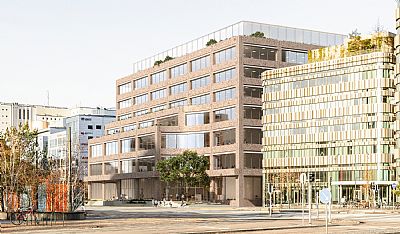
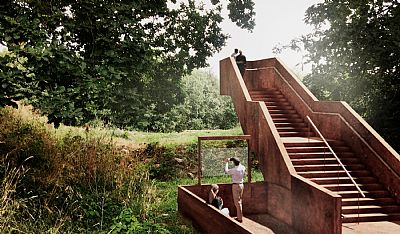
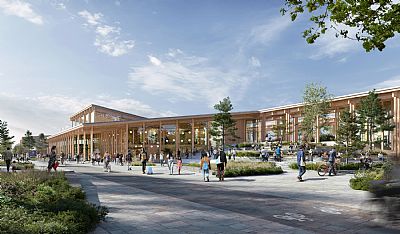
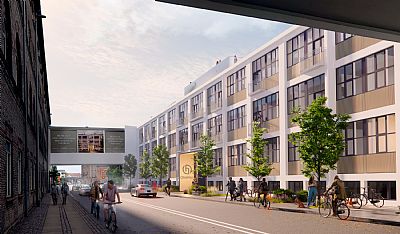
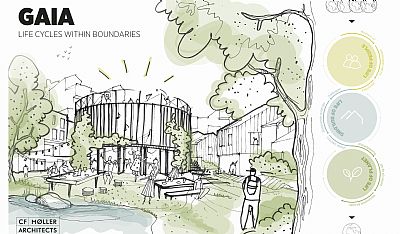
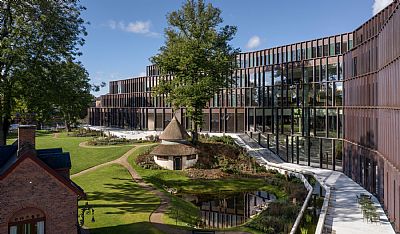
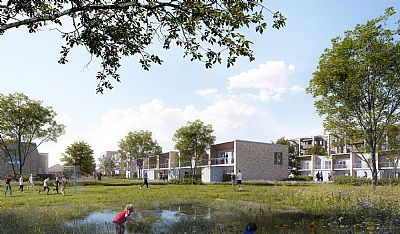
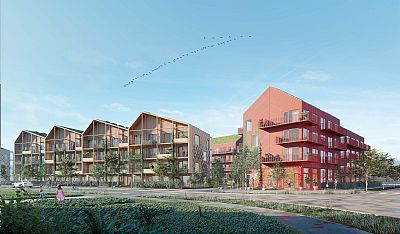
Larvik - New urban development strategy to bring Larvik closer to the fjord - C.F. Møller. Photo: C.F. Møller Architects

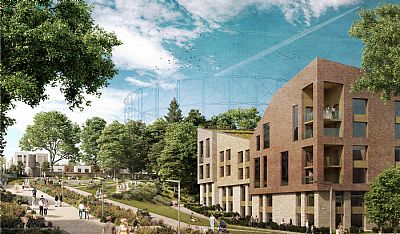
A new district rooted in Larvik's identity
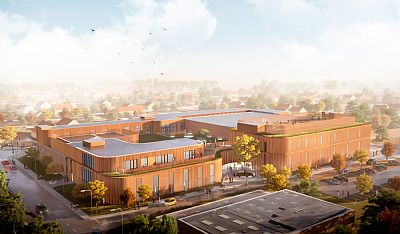
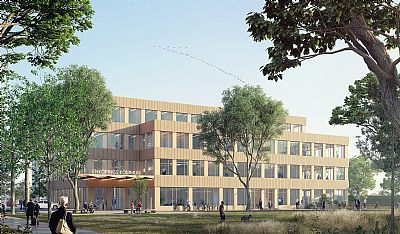
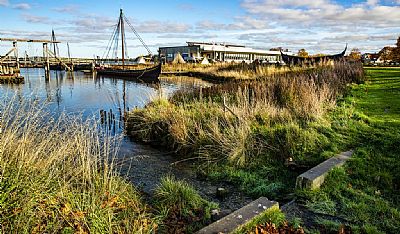
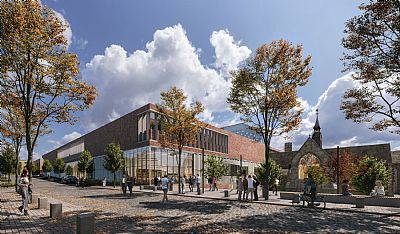
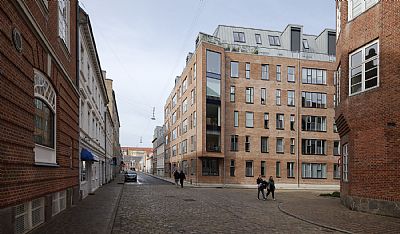
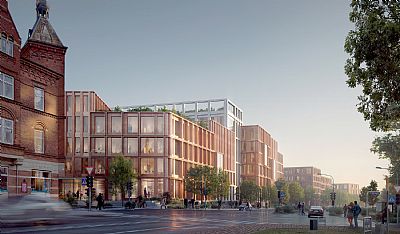
The development draws on Larvik's maritime heritage, landscape and existing urban fabric. Historic buildings, sightlines to the fjord and new connections form the basis for a district that builds on the town's distinctive character.
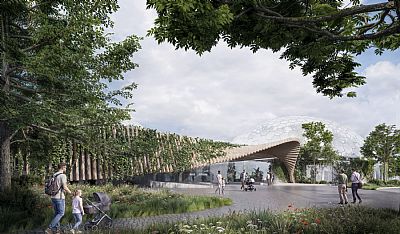
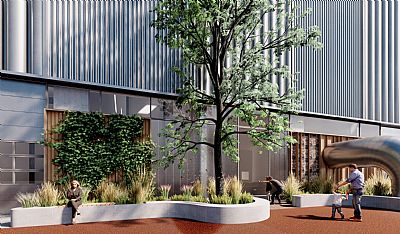
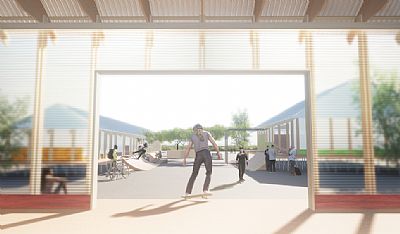
With a mix of uses, active ground floors and varied public spaces, the area will encourage people to spend time, come together and engage in activities all year round, making the fjord more accessible to everyone.


Nordic experience across borders
The urban development strategy has been developed through collaboration across C.F. Møller Architects' offices in Norway, Denmark and Sweden, drawing on experience from a range of Nordic urban development projects.
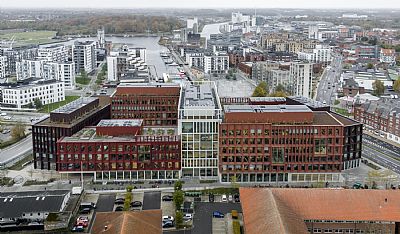
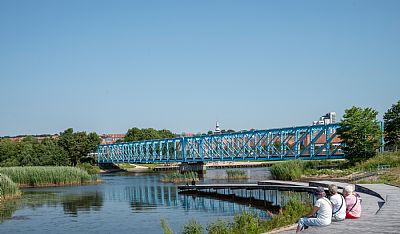
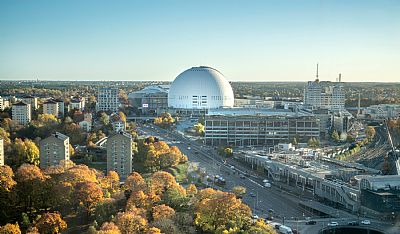
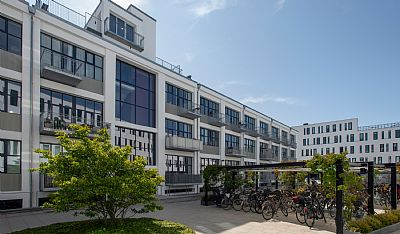
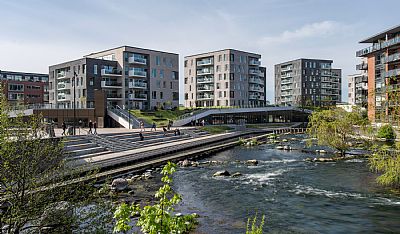
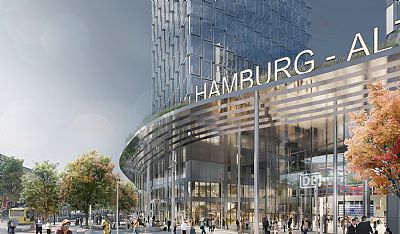
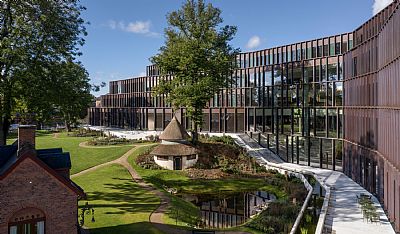
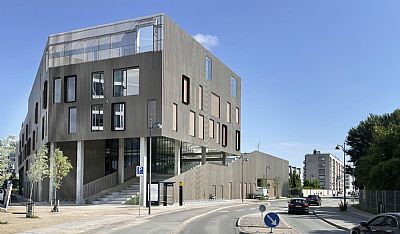
Sources of inspiration include Uppsala Central in Sweden, where the development of a transport hub is integrated with wider urban development, and Flodbyen in Randers, Denmark, where urban development, climate adaptation and connections between the city and the water are conceived as a whole.
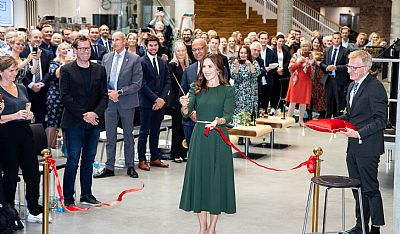
Another reference is Mjøsfronten in Hamar, Norway, where C.F. Møller Architects is working to bring the town closer to the water through new public spaces and recreational opportunities. The first phase of Mjøsfronten opened to the public in summer 2026.


The urban development strategy for Knutepunkt Larvik and Indre Havn will form the basis for further planning and is expected to be put out to public consultation before Christmas 2026.


Project Description
Press Release Larvik Kommune
More news

 
Show more news